Alerts

-
7 minutes, 12 seconds
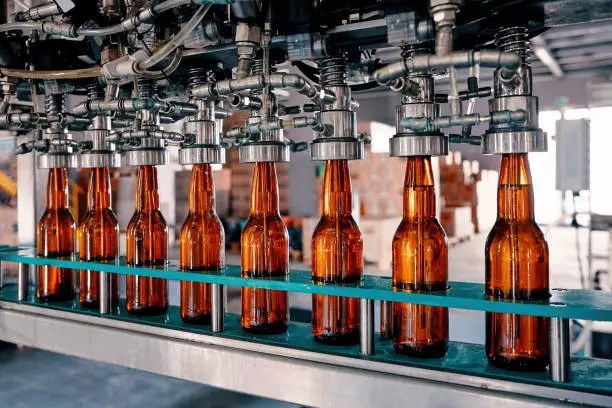
Beer remains one of the world’s most widely consumed alcoholic beverages, supported by a long-established brewing industry, diverse product formats, and broad consumer familiarity. From traditional lagers and ales to craft beers, premium brands, low-alcohol varieties, and alcohol-free alternatives, the category continues to evolve in response to changing consumer expectations.
According to the latest analysis from Vyansa Intelligence, the global beer sector is projected to increase from USD 832.65 billion in 2025 to USD 998.55 billion by 2032, representing a CAGR of 3.65% between 2026 and 2032. The projected expansion reflects continued demand for beer alongside product innovation, premium offerings, improved distribution, and changing drinking occasions.
Beer has a long history across numerous regions and remains deeply integrated into social, hospitality, entertainment, and food-service occasions. Its broad consumer base provides breweries with a substantial foundation for ongoing product development.
The brewing process is closely connected with agricultural commodities, particularly barley and other grains used in malt production. The Food and Agriculture Organization’s information on barley, malt, and beer highlights the relationship between barley, malt, and beer production, including the importance of brewing materials and malt-processing capacity to the wider value chain.
This agricultural connection means developments in crop production, commodity prices, transportation, and weather conditions can influence brewing costs and supply-chain planning.
Premiumization is an important development across the beer category. Consumers in many markets are increasingly presented with products differentiated through brewing methods, ingredients, brand heritage, packaging, alcohol content, and flavor profiles.
Premium and super-premium beers can command higher prices when consumers perceive additional value through quality, distinctive recipes, imported positioning, specialty ingredients, or established brand identity.
Craft beer has also contributed to diversification by introducing consumers to styles with different aromas, bitterness levels, ingredients, and brewing techniques. Although craft brewing operates alongside large-scale commercial production, it has encouraged greater experimentation across the broader category.
Breweries continue to introduce new products to address changing preferences. Traditional lagers remain important, but manufacturers are also developing wheat beers, fruit-flavored varieties, specialty ales, low-alcohol beers, alcohol-free beers, and other differentiated formats.
Innovation allows breweries to target different consumption occasions and demographic groups. Seasonal releases and limited editions can create additional consumer interest, while established brands can use line extensions to maintain relevance.
Packaging innovation also contributes to differentiation. Cans, bottles, multipacks, and other formats allow producers to address different retail, hospitality, and consumption requirements.
One of the notable shifts within the broader beverage industry is the development of alcohol-free and low-alcohol alternatives. These products can appeal to consumers who want the taste and social experience associated with beer without consuming conventional levels of alcohol.
This segment can also expand consumption occasions. Consumers may choose alcohol-free products when driving, exercising, working, or simply reducing alcohol intake.
The category is increasingly supported by brewing technology that allows manufacturers to improve flavor and mouthfeel while controlling or removing alcohol. As product quality improves, alcohol-free beer can compete more directly with conventional beer for consumer attention.
Beer consumption is no longer defined by a single product type or drinking occasion. Consumers can choose among mainstream, premium, craft, flavored, specialty, low-alcohol, and alcohol-free products according to personal preferences.
This diversification gives breweries opportunities to segment their portfolios. Mainstream products can continue serving price-sensitive consumers, while premium and specialty products can target consumers willing to pay more for distinctive characteristics.
Food pairing is another opportunity. Different beer styles can complement particular cuisines, creating demand through restaurants, hotels, bars, and other food-service establishments.
Beer is sold through multiple channels, including supermarkets, convenience stores, specialty retailers, restaurants, bars, hotels, and online platforms where permitted by local regulations.
Large retailers provide access to extensive consumer populations and support high-volume sales. Convenience stores can benefit from immediate-consumption occasions, while hospitality venues contribute to social and experiential consumption.
Digital channels can also support brand discovery and consumer engagement, although the sale and delivery of alcoholic beverages remain subject to local laws and regulations.
For breweries, maintaining efficient distribution is essential. Beer is relatively heavy and can require significant transportation and storage capacity, making logistics efficiency important to profitability.
The beer supply chain depends on agricultural commodities, packaging materials, energy, water, transportation, and labor. Changes in the prices of these inputs can affect production costs and ultimately influence retail pricing.
The FAO’s barley, malt, and beer industry information provides context on the agricultural and brewing value chain, including brewing materials and production considerations.
Barley availability and quality are particularly important because malted barley is a fundamental brewing ingredient for many beer styles. Weather variability can influence crop yields, while changing agricultural costs can affect malt prices.
Breweries therefore increasingly focus on procurement strategies, inventory planning, supplier diversification, and production efficiency.
Environmental considerations are influencing brewing operations and packaging decisions. Breweries consume water and energy during production and must manage wastewater, spent grains, packaging materials, and other by-products.
Improving water efficiency can be particularly important because water is both a key brewing ingredient and an essential processing resource. Energy efficiency can also reduce production costs while helping breweries address emissions objectives.
Packaging is another area of focus. Lightweight cans and bottles, recycled materials, improved recycling systems, and more efficient transportation can contribute to resource efficiency.
Sustainability initiatives can also strengthen brand positioning when consumers increasingly consider environmental factors in purchasing decisions.
Although beer is a widely consumed beverage, alcohol consumption carries health risks that need to be considered separately from industry growth. The Centers for Disease Control and Prevention’s alcohol and public health information notes that excessive alcohol use is associated with injuries, chronic diseases, and other health problems.
The Dietary Guidelines for Americans also state that people who do not drink alcohol should not begin drinking for potential health benefits. For adults who choose to drink, the guidelines emphasize that drinking less is better for health than drinking more.
These considerations can influence consumer behavior and encourage demand for moderation-oriented products, including lower-alcohol and alcohol-free beers.
Beer is subject to extensive regulation because it is an alcoholic beverage. Requirements can cover production, labeling, taxation, advertising, distribution, retail sales, minimum purchasing age, and responsible consumption.
Regulatory frameworks differ substantially between countries, meaning breweries operating internationally must adapt products and marketing strategies to local requirements.
Public-health policies can also influence consumption patterns. The CDC’s alcohol and public health resources provide information concerning alcohol consumption and approaches to reducing excessive alcohol use and related harms.
For beer producers, understanding regulatory conditions is therefore an essential part of market planning and product development.
Beer consumption can benefit from rising disposable incomes, urbanization, expanding hospitality sectors, and changing consumer lifestyles in developing economies.
The FAO’s analysis of the barley, malt, and beer value chain provides background on beer production, consumption, and the agricultural inputs supporting the industry.
Breweries entering developing markets may use different strategies depending on local preferences. Affordable mainstream products can support volume growth, while premium and imported offerings can appeal to consumers seeking new experiences.
Local production can also improve distribution efficiency and allow manufacturers to adapt products to regional tastes.
Despite the projected expansion, breweries face several challenges. Raw-material costs, packaging expenses, energy prices, transportation costs, taxation, regulatory requirements, and competition can affect profitability.
Consumer preferences are also changing rapidly. Younger consumers may place greater emphasis on moderation, product authenticity, unique flavors, sustainability, and experiential consumption.
Breweries must therefore balance traditional products with innovation. Excessive product proliferation can increase manufacturing complexity, while insufficient innovation can make brands less relevant.
The projected growth reflects the resilience of an established global beverage category combined with continued product diversification. Premium beer, craft products, specialty formulations, and alcohol-free alternatives can provide opportunities for manufacturers to reach evolving consumer segments.
At the same time, breweries will need to manage raw-material volatility, packaging costs, sustainability expectations, regulatory requirements, and changing attitudes toward alcohol consumption.
Technology and product development are likely to remain central to future competitiveness. Improved brewing processes, more efficient production systems, differentiated flavors, sustainable packaging, and better alcohol-free formulations can help producers respond to new consumer expectations.
Overall, the beer industry is positioned for steady rather than rapid expansion through 2032. Its large established consumer base provides stability, while premiumization, innovation, alternative alcohol formats, and emerging consumption occasions create opportunities for continued development.


8.4K articles

2.7K articles

1.6K articles

34 articles








Comment