
Alerts
-
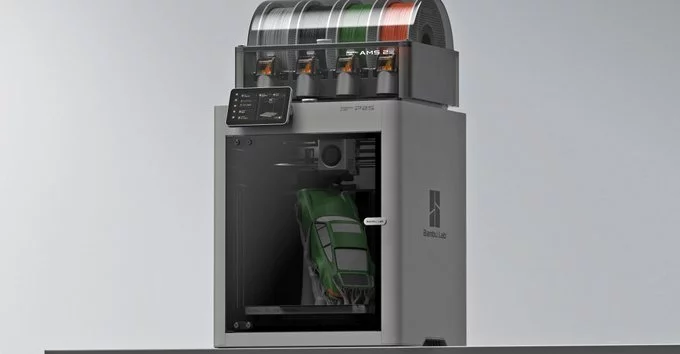
Bambu Lab, maker of the most accessible 3D printers on the market, is facing an unprecedented backlash. The controversy began when developer Paweł Jarczak received a private Reddit message from the company asking him to delete code he had shared. This single interaction has ignited a firestorm within the 3D printing community, with prominent figures pledging thousands of dollars to fight Bambu in court.
Jarczak had created a way for users to remote control their Bambu printers without using the company's proprietary software. While Bambu’s firmware relies on open-source code, the company wanted to lock down its system. The developer’s workaround, built on a fork of the popular OrcaSlicer, threatened that control.
In its initial DM, Bambu politely asked Jarczak to remove his project, stating it “mimics official Bambu Lab software.” Jarczak offered to comply but requested recognition for exposing a potential security gap, along with some hardware—specifically the flagship H2D printer.
When Bambu refused, the tone shifted. The company warned Jarczak that a cease and desist letter was prepared and cited the Digital Millennium Copyright Act (DMCA) Section 1201. Jarczak voluntarily took down his code but left a note accusing Bambu of treating him like a criminal.
The core of the conflict lies in Bambu's reliance on open-source software. Bambu Studio, the company's flagship slicer, is a direct fork of PrusaSlicer, which itself is built on Slic3r and the RepRap community's code. All of this is licensed under the AGPL, a license designed to guarantee that improvements remain open and shareable.
Bambu benefits enormously from the AGPL license, which allowed it to build its software without reinventing the wheel. However, the community argues that Bambu is now violating the spirit of that license by blocking third-party forks—including the popular OrcaSlicer—from communicating with its printers.
Bambu claims these restrictions are for security. However, critics suspect a profit motive: locking users into Bambu's own filament and accessories, and potentially introducing subscription fees—a model often called “enshittification.”
The backlash was swift and fierce. Louis Rossmann, a consumer rights advocate, pledged $10,000 to defend Jarczak in court. GamersNexus committed another $10,000 and halted a planned $150,000 hardware purchase. Maker Jeff Geerling publicly declared he would never buy another Bambu printer.
Thousands of advocates are now forking the code Bambu wanted suppressed. The Software Freedom Conservancy is hosting a project to reverse-engineer Bambu's code and serve as a watchdog. Bradley Kühn, father of the AGPL license, called Bambu “bad actors, straight-up.”
The outcome of this battle could set a precedent for how open-source hardware companies treat their communities. If Bambu backs down, it may reinforce the power of the AGPL license. If it fights, the case could redefine the legal boundaries of software locks in consumer hardware.










Comment