
Alerts
-
3 minutes, 18 seconds
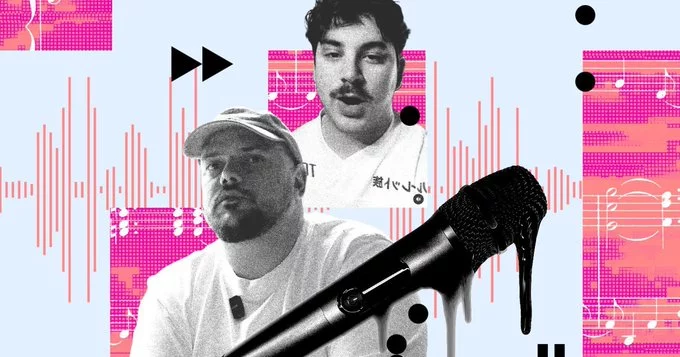
AI tools are increasingly moving from experimental novelties to staple components in music production, and the Electronic Dance Music (EDM) sphere is no exception. These technologies now assist with everything from generating chord progressions to mastering final tracks, raising profound questions about the very nature of authenticity and creativity in the genre. As algorithms become more sophisticated, they are capable of producing sounds that are virtually indistinguishable from human-made compositions, blurring the line between artist and machine.
This shift is not merely about efficiency; it challenges the traditional role of the producer. For many, the core of EDM lies in the human touch—the unique choices and emotional intent behind the beat. The increasing reliance on AI forces a critical examination of what we value in music. Is the final product more important than the process, or does the story of human creation hold intrinsic worth? These questions are now at the forefront of the industry, setting the stage for a complex debate about the future of artistic expression.
As AI-generated tracks gain traction, a powerful backlash has formed. Producers and fans are now actively calling out artists suspected of using AI, leading to public shaming and heated debates within the community. The accusations often spread rapidly on social media, where users dissect production styles, vocal artifacts, and release patterns to build their cases.
This scrutiny has created a tense atmosphere, with some artists facing immediate reputational damage before they can respond. The community is divided: some see these callouts as essential for protecting artistic integrity, while others view them as reckless witch hunts that can ruin careers over unverified claims. The debates frequently escalate, touching on the definition of creativity, the role of technology, and what constitutes authentic authorship in electronic music.
For now, the callout culture has forced many artists to address the issue directly, either by denying AI use, explaining their workflow, or, in some cases, admitting to it and facing the consequences. The pressure is reshaping how producers approach their craft, knowing that every release will be scrutinized for signs of algorithmic assistance.
Supporters argue that AI is a powerful tool for creativity, not a replacement for it. They point to its ability to generate novel sounds, suggest unexpected chord progressions, and streamline tedious mixing tasks, freeing artists to focus on the emotional core of their music. For these advocates, AI acts as a collaborative partner, expanding the palette of possibilities beyond human limitation.
Critics, however, claim that AI fundamentally undermines human artistry and originality. They argue that music derived from algorithms lacks the intentionality, vulnerability, and lived experience that define genuine expression. The concern is that reliance on AI leads to homogenization, where tracks become technically perfect but emotionally hollow, erasing the unique fingerprint of the individual artist. This camp fears a future where the craft of production is devalued in favor of prompt-based creation.
The current controversy is likely to shape the future of EDM, with calls for transparency and ethical guidelines becoming central. As the backlash grows, artists and labels may be forced to disclose AI involvement in production, moving beyond the current “callout culture” toward formal standards. The debate could lead to industry-wide rules that distinguish between AI-assisted tools and fully autonomous composition, ensuring human creativity remains valued.
However, the path forward is not clear-cut. Some argue that AI can democratize music-making, while others fear it will erode the authenticity that defines EDM’s community. The key will be balancing innovation with accountability. If the scene embraces clear labeling and ethical practices, AI might become a collaborative partner rather than a threat. Without such measures, the trust between fans and artists could fracture permanently, forcing a reckoning that redefines what it means to be a producer in the digital age. The outcome depends on whether the industry listens to its critics.









Comment