Alerts

-
4 minutes, 34 seconds
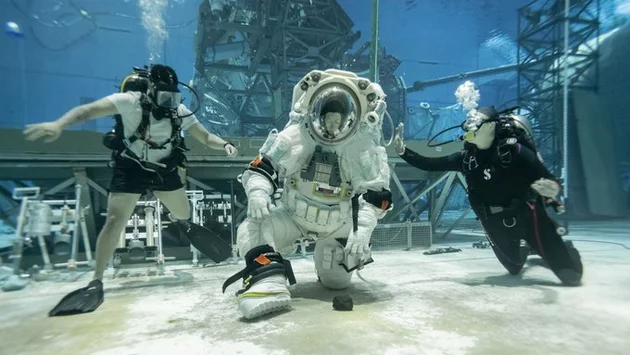
NASA’s Artemis spacesuits are designed for humanity’s return to the Moon, but former astronaut Kathleen Rubins warns that they may push astronauts to their physical limits. Despite upgrades from Apollo-era suits, the new designs could still be too heavy and restrictive, potentially turning routine lunar activities into extreme physical tests. Astronauts may face long hours, limited rest, and exhausting daily lunar excursions, raising safety and endurance concerns.
Rubins spoke to a National Academies committee about the upcoming Artemis missions, highlighting that spacesuit weight is a serious concern. “When we get to the lunar surface, people are going to be sleep shifting,” she explained. Astronauts may remain in these suits for eight to nine hours at a time, conducting extravehicular activities (EVAs) every day. Even with improved mobility compared to Apollo suits, the added bulk and weight could make simple tasks physically draining.
The new suits feature advanced life-support systems and improved flexibility, but Rubins emphasized that mobility improvements may not fully offset the challenges of carrying heavy gear across the Moon’s surface. “Doing spacewalks on the Moon is going to be more physically demanding than anything on the International Space Station,” she said, pointing to the difference between microgravity and lunar gravity, which is one-sixth of Earth’s.
While one-sixth gravity seems light, it’s enough to make movement strenuous when combined with the suit’s weight. Tasks like walking, bending, and lifting objects can quickly drain energy, especially during multi-hour EVAs. Astronauts could experience fatigue levels similar to running a marathon daily, according to Rubins.
The extreme physical demands of lunar work also include sleep deprivation. Mission schedules may force astronauts to work long hours in the suits, limiting recovery time. Experts warn that insufficient rest combined with heavy, restrictive suits could impact performance and even safety.
NASA has been testing Artemis suits extensively in underwater environments, simulating lunar gravity and movement challenges. These tests reveal that while flexibility has improved, stiffness in critical joints and the suit’s overall bulk remain concerns. Fine motor skills—like handling tools or collecting samples—could still be hampered, making astronauts work harder for tasks that seem simple on Earth.
Rubins’ feedback aligns with ongoing internal NASA reviews, emphasizing that spacesuit ergonomics are as critical as life-support technology. Every extra pound or restrictive joint can translate to cumulative fatigue over the course of a mission.
Artemis astronauts are gearing up for unprecedented exploration, including extended stays on the lunar surface. But Rubins’ warning underscores a reality often overlooked in media coverage: spacesuits are not just protective gear—they are tools that directly affect human performance.
NASA engineers continue refining suit designs to balance mobility, protection, and endurance. The Artemis program aims to land humans on the Moon again, but successful missions will depend on addressing these human factors alongside technical advancements. As Rubins notes, “The Moon is not microgravity. Even small improvements in suit design can make the difference between manageable fatigue and extreme physical strain.”










Comment