
-
5 minutes, 52 seconds
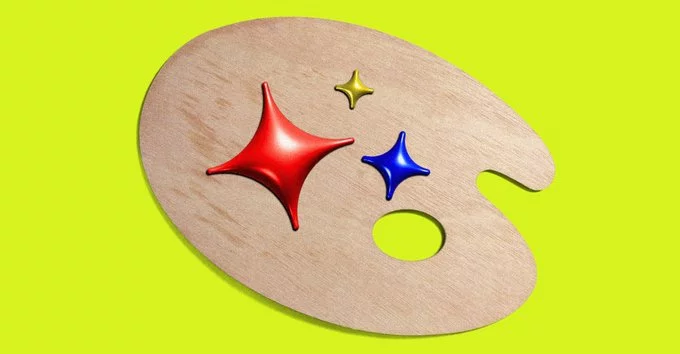
Art schools are rapidly adapting to artificial intelligence, but not everyone is on board. As institutions begin teaching students how to use AI tools in creative workflows, a growing divide is emerging among students and faculty. Some see AI as a powerful extension of artistic expression, while others fear it undermines originality and human creativity. This tension is reshaping classrooms, curriculums, and the future of creative education itself.
Across the globe, art institutions are integrating AI into their programs to keep pace with industry demands. From digital illustration to animation and design, AI tools are becoming part of the modern creative toolkit. Educators argue that ignoring AI would leave students unprepared for real-world careers where automation and generative tools are increasingly common.
Students are now learning how to prompt AI systems, refine outputs, and combine machine-generated content with traditional techniques. This hybrid approach aims to expand creative possibilities rather than replace human input. Supporters believe AI can help artists overcome creative blocks, speed up workflows, and explore ideas that might otherwise take weeks to develop.
Despite these benefits, many students and faculty members remain deeply skeptical. Critics argue that relying on AI risks diluting artistic authenticity and discouraging the development of foundational skills. For some, the idea of machines generating art challenges the very definition of creativity.
There are also concerns about ownership and ethics. Questions around who owns AI-generated work—and whether it’s truly original—continue to spark debate. Some artists worry that AI systems trained on existing artwork may unintentionally replicate styles without proper credit, raising serious ethical issues within the creative community.
Inside classrooms, the divide is becoming increasingly visible. While some students eagerly experiment with AI tools, others actively resist using them. Faculty members are also split, with some embracing innovation and others pushing back against what they see as a threat to traditional artistic values.
This tension has led to heated discussions, policy changes, and even protests in certain institutions. Educators are now faced with the challenge of balancing innovation with respect for artistic integrity. The question is no longer whether AI should be included in art education—but how it should be taught responsibly.
To navigate this shift, many art schools are rethinking their approach to teaching creativity. Instead of positioning AI as a replacement for human skill, they are framing it as a collaborative tool. Courses now emphasize critical thinking, ethical use, and the importance of maintaining a unique artistic voice.
Students are encouraged to question AI outputs, refine them, and integrate their personal style into the final work. This approach aims to ensure that technology enhances creativity rather than overshadowing it. By focusing on adaptability, schools hope to prepare students for a future where human and machine collaboration is the norm.
The debate surrounding AI in art schools reflects a broader cultural shift happening across creative industries. As technology continues to evolve, artists must decide how to engage with it—whether to embrace, adapt, or resist. For many, the answer lies somewhere in between.
Art schools are now at the forefront of this transformation, shaping how the next generation of creatives will think about technology and expression. While disagreements persist, one thing is clear: AI is no longer a distant concept—it is an active force redefining what it means to be an artist today.
This moment represents more than just a technological shift—it’s a turning point for artistic identity. The choices made by students, educators, and institutions today will influence the direction of creativity for years to come. Whether AI becomes a trusted partner or a controversial tool depends largely on how it is integrated into education now.
As the conversation continues, art schools remain a microcosm of a much larger debate. At its core, the discussion isn’t just about technology—it’s about preserving the human essence of creativity in an increasingly automated world.

2.6K articles

1.4K articles

34 articles

28 articles











Comment