
-
4 minutes, 48 seconds
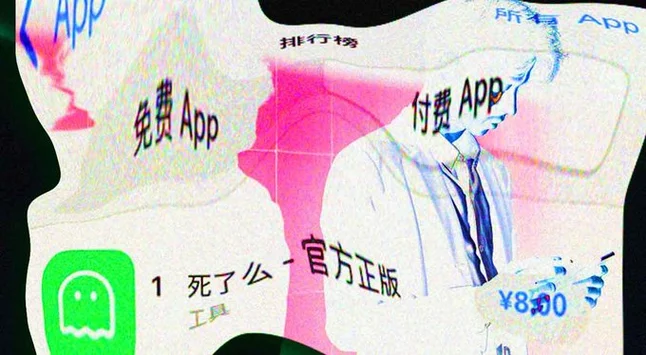
Millions of people living alone in China have found a new digital safety companion in the viral app “Are You Dead?”, known locally as Sileme. Launched in May, the app quickly rose to become the most downloaded paid app in the country. It allows users to alert emergency contacts if they fail to check in for a period, offering a unique solution for those living far from family or choosing solitary lifestyles.
The app requires users to tap a large confirmation button every two days to indicate they are safe. If no check-in occurs, the app automatically notifies the designated emergency contact. This feature has made it particularly appealing to young adults and elderly individuals living alone, a demographic expected to grow sharply in the coming years.
Despite its utility, the app’s unusual name has sparked debate. Many users criticized the direct reference to death, suggesting a more positive title like “Are You Alive?” could be less jarring. Chinese media outlets have reported that the app’s creators are considering feedback and may introduce features such as SMS notifications and messaging functions to enhance usability.
Initially free, “Are You Dead?” now costs 8 yuan (about $1.15), signaling strong demand even at a small price. Its rapid adoption highlights both the rising number of independent households in China and the growing market for digital tools that address safety and wellbeing.
Real estate research predicts up to 200 million one-person households by 2030, reflecting a cultural shift toward independent living among younger adults and elderly residents alike. This societal trend has fueled interest in apps like “Are You Dead?”, which promise peace of mind for both users and their families.
Social media discussions, particularly on Reddit, have shown mixed reactions. Some users praise the app as a practical solution to an overlooked problem, while others call it a sad reflection of modern society, where emergency situations for solo residents may go unnoticed.
For those seeking a less morbid approach, alternatives exist. Snug, another app targeting older adults, requires a daily morning check-in and automatically calls for help if a user doesn’t respond. This demonstrates a broader market for digital safety tools tailored to individuals living alone.
The debate over “Are You Dead?” also raises questions about balancing utility and sensitivity in app design. Developers now face the challenge of maintaining the app’s effectiveness while addressing public concerns about messaging and tone.
The creators of Sileme are reportedly planning updates to enhance functionality, including messaging features and SMS alerts. They also appear open to reconsidering the app’s name, potentially easing concerns from users uncomfortable with the current branding.
As solo living becomes more common, apps like “Are You Dead?” could play a crucial role in personal safety and wellbeing. How this app evolves will likely influence its long-term adoption and acceptance across China and potentially beyond.
Ultimately, the discussion around “Are You Dead?” highlights a larger cultural conversation about technology, independence, and mortality. While the app addresses a practical need, its controversial name reminds developers and users alike of the importance of thoughtful design in everyday digital tools.

2.5K articles

1.4K articles

34 articles

28 articles











Comment