
Alerts
-
5 minutes, 49 seconds
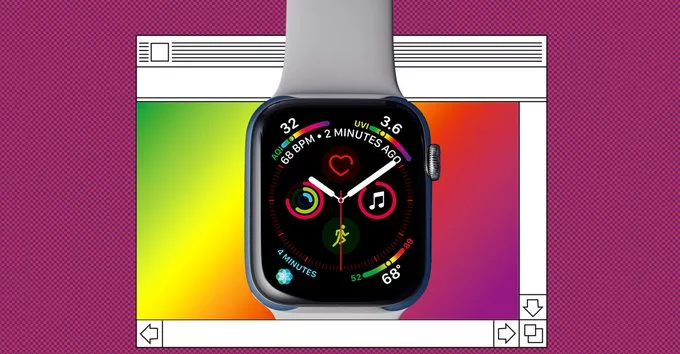
Curious how modern health tracking became so advanced? The rise of Apple Watch health tech answers that question. Before its launch, wearables mostly counted steps and little else. Today, they monitor heart rhythms, detect falls, and even support early health warnings. Apple’s smartwatch didn’t just follow trends—it created them, reshaping how people think about personal health technology and digital wellness.
The shift happened quickly but left a lasting impact. What began as a stylish gadget evolved into a serious health companion. This transformation sparked a wave of innovation across the tech and medical industries, making health tracking more accessible than ever before.
Early wearables focused heavily on fitness metrics like steps and calories burned. While useful, these features had limited medical relevance. Apple Watch changed that by introducing deeper health insights, blending consumer tech with clinical-level features.
Heart rate monitoring was just the beginning. Over time, the device added electrocardiogram (ECG) capabilities and blood oxygen tracking. These features pushed wearables into a new category—tools that could potentially detect health issues early. For many users, this meant peace of mind and a stronger connection to their personal health data.
The real breakthrough wasn’t just the technology itself. It was how seamlessly these features fit into everyday life. Users didn’t need medical expertise to understand their data, making health tracking simple and intuitive.
One of the biggest impacts of Apple Watch health tech is its role in preventive care. Instead of reacting to symptoms, users can now monitor their health in real time. This shift has encouraged a more proactive approach to wellness.
Notifications about irregular heart rhythms or unusually high heart rates have helped many users seek medical attention earlier than they otherwise would. While not a replacement for professional diagnosis, the device acts as an early warning system.
This evolution reflects a broader trend in healthcare—moving from reactive treatment to continuous monitoring. Wearables now play a key role in that transition, bridging the gap between patients and healthcare providers.
Apple didn’t just improve its own product; it raised the bar for the entire wearable market. Competitors quickly followed, adding similar health-focused features to their devices. What was once a niche capability became an industry standard.
Today, most smartwatches include advanced health tracking tools inspired by Apple’s approach. This competition has accelerated innovation, benefiting users with more accurate data and better features.
Developers have also embraced this shift, creating apps that expand the watch’s health capabilities. From sleep tracking to mental wellness tools, the ecosystem continues to grow. This ongoing innovation keeps the wearable space dynamic and user-focused.
Despite its success, Apple Watch health tech isn’t without challenges. Accuracy remains a key concern, especially for features that resemble medical tools. While highly advanced, these sensors are not perfect and can sometimes produce false alerts.
Privacy is another important issue. Health data is deeply personal, and users want assurance that their information is secure. Companies must balance innovation with strong data protection measures to maintain trust.
There’s also the question of accessibility. While powerful, devices like the Apple Watch may not be affordable for everyone. This creates a gap in who can benefit from these technological advancements.
Looking ahead, Apple Watch health tech is expected to become even more sophisticated. Future updates may include features like blood glucose monitoring or improved mental health tracking. These advancements could further blur the line between consumer devices and medical tools.
Artificial intelligence will likely play a bigger role as well, helping interpret health data and provide personalized insights. This could make wearables even more valuable in managing long-term health conditions.
What started as a smartwatch has evolved into something much bigger. Apple Watch didn’t just define modern health tech—it set the foundation for the future of digital healthcare, making personal wellness smarter, more connected, and increasingly proactive.










Comment