
Alerts
-
1 minute, 45 seconds
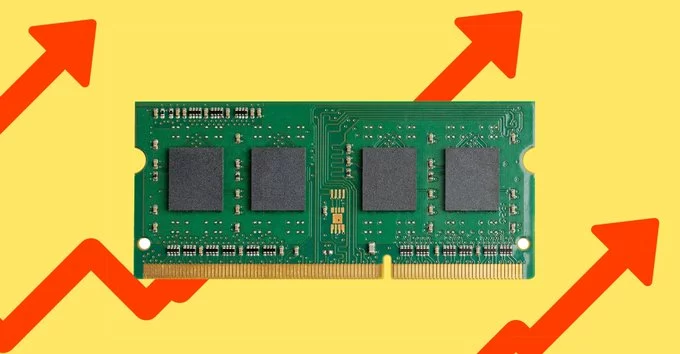
Apple has reportedly asked the U.S. government for permission to buy memory chips from a Chinese supplier that is currently on a trade blacklist. This move highlights the ongoing tension between global tech supply chains and national security regulations.
The blacklisted supplier, likely Yangtze Memory Technologies Corp (YMTC), produces NAND flash memory used in iPhones, iPads, and Macs. Apple wants to diversify its supply chain and reduce reliance on current memory suppliers like Samsung and SK Hynix. However, U.S. trade restrictions prevent American companies from doing business with blacklisted Chinese firms unless they receive a special license.
The U.S. government maintains a list of companies that are restricted from receiving American technology or components. This list is part of efforts to protect national security and prevent sensitive technology from reaching competitors. Being on this list means companies like YMTC cannot buy U.S.-made equipment or sell products to American firms without a waiver.
Even if Apple gets permission, there are risks. The blacklisted supplier may face production delays or quality issues due to trade restrictions. Additionally, any deal could attract political scrutiny in both the U.S. and China.
If Apple succeeds, it could lead to cheaper iPhones and other devices in the long run. However, the immediate impact is likely minimal, as Apple will still rely on its existing suppliers for most of its memory needs.
Apple's request shows how complex global supply chains have become. Companies must balance cost, efficiency, and geopolitical risks. Whether the U.S. government grants permission will set a precedent for future tech trade between the two countries.










Comment