
-
5 minutes, 41 seconds
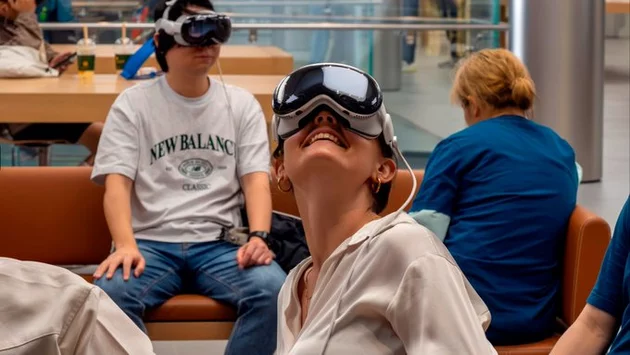
Apple Vision Pro has entered a critical phase as Apple quietly cuts production and dials back marketing following weaker-than-expected sales. Shoppers searching for why Apple reduced Vision Pro output or whether the headset is struggling will find clear answers in Apple’s recent moves. Sources close to the supply chain suggest fewer units are being assembled, signaling softer demand than initial projections. Marketing campaigns that once highlighted spatial computing breakthroughs have noticeably slowed. Retail demos remain available, but promotional intensity has dropped across major markets. The shift reflects Apple’s cautious response to early consumer feedback. For a product positioned as the future of computing, expectations were significantly higher.
Apple Vision Pro sales reportedly failed to gain momentum after launch, especially outside early adopters and developers. High pricing emerged as a major barrier for mainstream buyers who struggled to justify the cost. Limited everyday use cases also reduced repeat interest after initial curiosity faded. While the technology impressed reviewers, comfort concerns and long session fatigue became common complaints. Apple appears to be listening closely to these signals. Reducing production allows the company to manage inventory without publicly labeling the product a setback. This move aligns with Apple’s history of quietly recalibrating rather than making abrupt reversals.
Apple Vision Pro marketing cuts are particularly notable given Apple’s usual aggressive launch playbook. Large-scale advertising campaigns have slowed, and Apple events now focus less on mixed reality. In-store experiences remain polished but less prominent than during launch months. Analysts interpret this as Apple preserving brand prestige while reassessing messaging. Instead of pushing mass adoption, Apple may be repositioning Vision Pro as a niche or developer-focused product. This approach limits risk while buying time to refine hardware and software. The company’s silence suggests intentional restraint rather than panic.
Suppliers tied to Apple Vision Pro components have reportedly received revised production targets. Displays, sensors, and internal components are now being ordered in smaller volumes. Such changes typically follow sustained demand forecasts rather than short-term fluctuations. Apple often uses supply chain adjustments as an early indicator of internal confidence levels. This pattern mirrors previous Apple products that required multiple iterations before reaching scale. For Vision Pro, the first-generation model may function more as a learning platform. Apple’s long-term ambitions in spatial computing remain intact despite near-term pullbacks.
Rather than abandoning Vision Pro, Apple appears to be shifting toward a longer development timeline. Software updates continue, and developer tools remain active, signaling ongoing investment. Rumors already point to a lighter, cheaper future model designed for broader appeal. Apple’s ecosystem advantage allows it to iterate without rushing mass adoption. Vision Pro may follow a trajectory similar to Apple Watch, which gained traction over time. By slowing production now, Apple preserves flexibility. The move suggests patience, not retreat.
For consumers, reduced Apple Vision Pro production could limit availability but also improve future versions. Apple historically refines products aggressively between generations. Early buyers may benefit from continued software support, while new buyers may wait for improved hardware. For Apple, the situation underscores the challenge of introducing entirely new product categories. Even industry leaders face adoption hurdles when pricing and practicality collide. Vision Pro’s journey is far from over. The current slowdown may simply be a pause before a stronger relaunch.
Apple Vision Pro’s struggles highlight broader mixed reality market challenges. Despite industry hype, mainstream adoption remains elusive across all brands. Apple’s pullback could influence competitors to temper expectations as well. Still, innovation in spatial computing continues to accelerate behind the scenes. Apple’s decision to slow down now may strengthen its position later. Vision Pro remains a bold bet, just one unfolding more cautiously than planned. In tech, patience often separates experiments from revolutions.

2.5K articles

1.4K articles

34 articles

28 articles













Comment