

Apple’s Plan to Outsmart OpenAI: What It Means for AI’s Future
-
1 minute, 55 seconds
Is Apple Plotting to Crush OpenAI?
Apple’s plot to crush OpenAI isn’t just a rumor—it’s a strategic move that could reshape the AI landscape. In simple terms, Apple is quietly building its own advanced AI technology to reduce reliance on OpenAI and eventually compete head-to-head. This article breaks down Apple’s plan, why it matters, and what it means for users like you.
Why Apple Wants Its Own AI
Apple has always valued control over its ecosystem. By developing its own large language models (LLMs) and AI tools, the company can:
- Protect user privacy – Apple’s AI runs on-device, not on cloud servers, keeping your data safe.
- Reduce costs – Paying OpenAI for API access is expensive. In-house AI saves money long-term.
- Offer unique features – Custom AI lets Apple create exclusive tools for iPhones, Macs, and iPads.
Apple’s Secret AI Projects
Recent job postings and patents reveal Apple is working on:
- Ajax – A powerful language model similar to GPT-4.
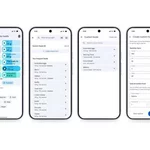
- Ferret UI – An AI that understands and interacts with app interfaces.
- On-device machine learning – Faster, private AI without internet dependency.
How Apple’s Strategy Differs from OpenAI
OpenAI focuses on cloud-based, general-purpose AI (like ChatGPT). Apple’s approach is:
- Privacy-first – AI processes data on your device, not on remote servers.
- Ecosystem-locked – Features work best within Apple’s hardware and software.
- Gradual rollout – Apple tests features quietly before public release.
What This Means for Users
If Apple succeeds, you could see smarter Siri replies, real-time photo editing, and better app suggestions—all without sharing your data. For businesses, it means less dependence on third-party AI providers.
Challenges Apple Faces
Crushing OpenAI isn’t easy. Apple must overcome:
- Talent war – Top AI researchers are expensive and in high demand.
- Speed – OpenAI releases updates fast; Apple moves slower.
- Hardware limits – On-device AI requires powerful chips, which Apple has (M-series, A-series), but it’s still a constraint.
Apple’s plot to crush OpenAI is a long-term bet. By prioritizing privacy and integration, Apple could create AI that feels personal and secure. Whether they succeed depends on execution—but one thing is clear: the AI war is just heating up.



Contact Information



Suggested Writers
-

2.5K articles
-

1.3K articles
-

34 articles
-

28 articles



Comment