Alerts

-
5 minutes, 21 seconds
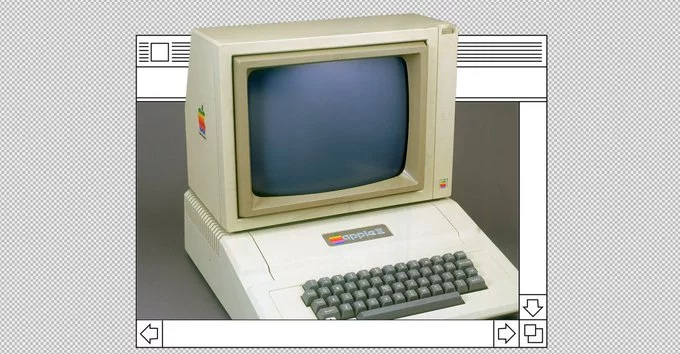
Searches for “what is the Apple II” or “why the Apple II was important” often lead to one simple truth: the Apple II wasn’t just another early computer—it was the product that kept Apple Inc. alive and helped launch the personal computing revolution. Designed by Steve Wozniak, this machine transformed computers from hobbyist kits into accessible tools for homes, schools, and businesses. Its influence still shapes how we use technology today.
Released in 1977, the Apple II stood out in a crowded field of early computers by being user-friendly and visually appealing. Unlike competitors that required assembly or technical knowledge, it came ready to use right out of the box. This simplicity made it appealing to everyday users, not just engineers or hobbyists.
Color graphics, expandable memory, and built-in BASIC programming support gave the Apple II a powerful edge. These features allowed users to do more than calculations—they could create, play games, and experiment. At a time when computers felt intimidating, the Apple II made them approachable.
The result was a product that didn’t just sell—it inspired curiosity and creativity across an entire generation.
Early success for Apple wasn’t guaranteed. Before the Apple II, the company’s future was uncertain and heavily dependent on niche products. The Apple II changed everything by generating consistent revenue and building a loyal customer base.
Sales skyrocketed as schools adopted the computer for education, and businesses began using it for productivity tasks. One of the biggest drivers of its success was the introduction of spreadsheet software, which turned the Apple II into a must-have business tool.
This steady growth provided financial stability, allowing Apple to invest in future innovations. Without the Apple II’s success, the company may never have survived long enough to create later iconic products.
What made the Apple II truly special was the engineering brilliance behind it. Steve Wozniak designed the system with efficiency and elegance, reducing the number of chips needed while maximizing performance. This approach kept costs lower without sacrificing capability.
Wozniak also prioritized expandability, allowing users to customize their machines with additional components. This flexibility helped extend the Apple II’s lifespan far beyond typical consumer electronics.
His design philosophy—powerful yet simple—set a standard that continues to influence modern hardware development.
The Apple II didn’t just help one company succeed; it helped define an entire industry. It showed that computers could be personal, practical, and even fun. This shift encouraged other companies to innovate and compete, accelerating the growth of the tech ecosystem.
Developers began creating software specifically for everyday users, from educational programs to entertainment. The concept of a thriving software marketplace started to take shape during this era.
Many of today’s computing norms—user-friendly interfaces, app ecosystems, and home computing—trace their roots back to the Apple II.
Decades later, the Apple II remains a symbol of innovation and resilience. It represents a turning point when technology became accessible to the masses. More importantly, it highlights how one well-designed product can change the trajectory of an entire company.
Modern devices may be far more advanced, but the core idea remains the same: technology should empower people. That philosophy, pioneered by the Apple II, continues to guide the evolution of personal computing.
For anyone exploring the history of tech, the Apple II isn’t just a milestone—it’s the foundation of the digital world we know today.










Comment