


Apple AI Wearable Pin Could Be the Most “Apple” Thing Yet
-
6 minutes, 38 seconds
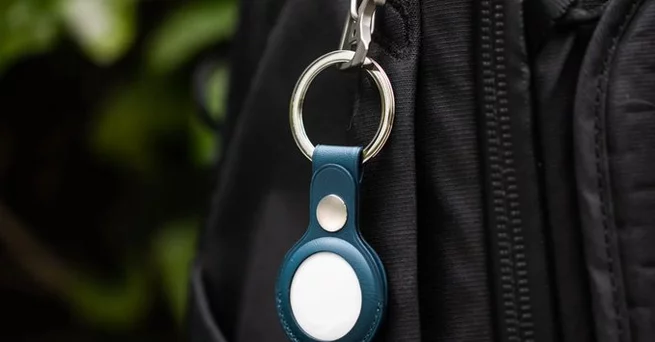
Apple AI wearable is reportedly a new AirTag-sized pin that could “see” and “hear” what’s around you using built-in cameras and microphones—then use AI to help you act on that context. If you’re searching “What is Apple’s AI wearable?”, “Is Apple making an AI pin?”, or “When will Apple’s AI wearable launch?”, the current answer is: it’s said to be in early development, and it could arrive as soon as 2027, if the project makes it to market.
Apple AI wearable rumor: what’s being built
A new report says Apple is working on an AI-powered wearable pin designed to capture a wearer’s surroundings. The device is described as thin, flat, circular, and roughly the size of an AirTag, using a mix of aluminum and glass for its body.
This isn’t being framed as just another fitness tracker or smartwatch add-on. The idea, as described, is more “ambient computing”—a gadget that stays with you and helps interpret what’s happening around you. That’s also why the form factor matters: a pin is meant to be visible, wearable on clothing, and always ready.
Cameras and microphones: how the Apple AI wearable might work
According to the report, the Apple AI wearable pin could include two cameras—a standard lens and a wide-angle lens—plus three microphones and a speaker. There’s also mention of a physical button on the side, suggesting Apple may want users to have an intentional “capture” moment rather than always-on recording.
Wireless charging support is also part of what’s being described, including a magnetic inductive charging interface similar to Apple Watch’s approach (as reported). That detail hints at a device Apple expects you to top up frequently—because cameras + microphones + on-device processing can drain power fast.
Apple AI wearable launch timeline: why 2027 matters
The most repeated timeline point is that the device could launch as soon as 2027, but it’s also described as being in the early stages—which is a polite way of saying it could evolve a lot, or never ship. Apple is known for canceling projects that don’t meet internal standards, and early-stage hardware rumors can change quickly.
Still, the timing lines up with something bigger: Apple doesn’t just want “AI features,” it wants AI experiences that feel native. A wearable that gathers context could be one of the cleanest ways to make AI feel truly helpful—without forcing people to type more prompts.
Why Apple is pushing into AI wearables now
The broader AI hardware market is heating up, and Apple doesn’t want to be late to the category that comes after smartphones. Reports point to Apple accelerating work partly because competitors are also building dedicated AI devices and wearables.
At the same time, Apple is reportedly pursuing major improvements to Siri, including deeper personalization through partnerships and a shift toward more chatbot-like behavior across core devices. If Apple can combine a better Siri with a wearable that provides real-world context, the pitch becomes simple: AI that understands what you’re looking at and hearing—then helps without you explaining everything.
The privacy elephant in the room
Any wearable with cameras and microphones instantly triggers one question: How will privacy work? Apple’s brand is strongly tied to privacy-forward messaging, so if this device becomes real, expectations will be intense. People will want obvious recording indicators, strong on-device processing where possible, and clear controls so it doesn’t feel like “a camera you forgot you’re wearing.”
The other reality is social: even if the device is perfectly safe technically, it still has to feel socially acceptable. Smart glasses and camera wearables have repeatedly faced backlash when they looked like surveillance—so Apple’s design choices (button, pin form, materials) will matter as much as the AI.
AI pins have a rocky track record
This category is not an easy win. Dedicated AI wearables have struggled to find product-market fit, and earlier attempts in the “AI pin” style have been criticized for battery life, responsiveness, and real-world usefulness. That history is exactly why Apple entering the space is interesting: Apple tends to wait until it believes it can deliver a more complete experience.
If Apple ships a pin, the “secret sauce” probably won’t be the cameras or microphones. It will be whether the AI feels reliably helpful—fast, accurate, and worth wearing every day—without making you feel self-conscious.



Contact Information



Suggested Writers
-

2.5K articles
-

1.3K articles
-

34 articles
-

28 articles



Comment