Alerts

-
5 minutes, 10 seconds
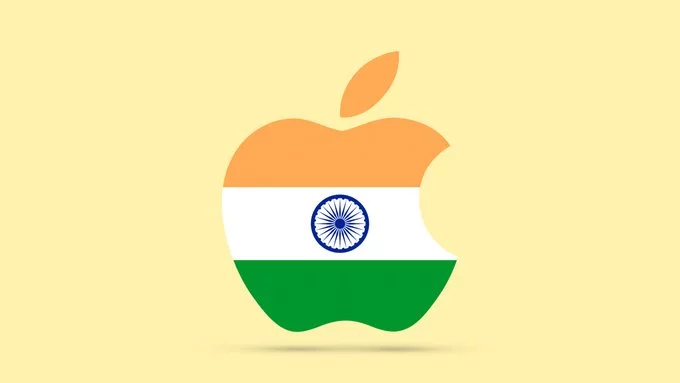
India has officially decided not to force smartphone makers like Apple to preinstall the Aadhaar app on devices. The move answers a growing question among users and tech observers: will government apps become mandatory on new phones? The short answer is no—for now. After reviewing the proposal, authorities chose to step back, highlighting privacy concerns and industry resistance. This decision could shape how governments worldwide approach digital identity integration on personal devices.
The Aadhaar system, managed by the Unique Identification Authority of India, plays a central role in everyday life across India. With over 1.3 billion users, it connects biometric data like fingerprints and iris scans to a unique 12-digit ID. This ID is widely used for banking, taxes, government benefits, and mobile services.
Officials explored preinstalling the Aadhaar app to simplify access and improve digital service delivery. The idea was straightforward: if the app comes built-in, more people would use it. However, this raised deeper concerns about user choice and control over personal devices, especially as smartphones become more private than ever.
India’s IT ministry ultimately rejected the proposal after consulting stakeholders across the electronics industry. Companies like Samsung and Apple reportedly resisted the idea, arguing that forced preinstallation could compromise user trust and device security.
This isn’t the first time such a request has surfaced. Over the past two years, the government has reportedly proposed similar requirements multiple times. Each attempt has faced resistance from tech companies that prioritize user autonomy and platform integrity. The repeated pushback appears to have influenced the final decision.
At the heart of the debate lies a critical issue: privacy. Apple, known for its strong stance on user data protection, raised concerns about preloading apps tied to sensitive identity systems. The company has consistently argued that users should decide which apps they install, especially when those apps handle personal or biometric data.
Security risks also played a role. Preinstalled apps could become targets for cyber threats if not properly maintained or updated. By avoiding mandatory installation, users retain the freedom to download official apps directly, ensuring they get the latest and most secure versions.
A similar situation unfolded with the Sanchar Saathi app, designed to help users block stolen devices and report fraud. Authorities had initially pushed for mandatory installation on all new smartphones. However, Apple declined, citing privacy and security concerns, and the proposal was eventually dropped.
This pattern shows a growing tension between regulatory ambitions and global tech standards. Governments aim to expand digital services, but companies remain cautious about embedding state-controlled apps directly into devices.
For users, the decision reinforces an important principle: control. Smartphones remain personal devices where individuals choose what to install and how to manage their data. While Aadhaar continues to be essential in India, downloading its app remains optional.
This approach also aligns with global expectations around digital privacy. Users are becoming more aware of how their data is handled, and mandatory apps could trigger backlash. By stepping back, India avoids potential criticism while maintaining flexibility for future digital initiatives.
India’s decision signals a shift toward more balanced collaboration between governments and tech companies. Instead of enforcing mandates, authorities may explore partnerships that integrate services more seamlessly—without compromising user trust.
For companies like Apple, the outcome reinforces their influence in shaping digital policies. For governments, it’s a reminder that user privacy and industry cooperation are essential in building sustainable digital ecosystems.










Comment