Alerts

-
2 minutes, 53 seconds
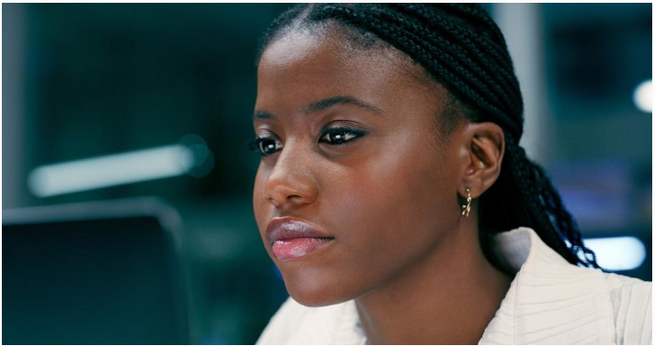
In 2025, anti-Black AI videos have become a dangerous form of digital racism—spreading fast, shaping perceptions even faster. Viral deepfakes portraying Black women in demeaning or exaggerated ways recycle the old “welfare queen” stereotype under a new technological disguise. These videos may seem comedic to some, but experts warn they fuel subconscious bias, particularly in workplaces where many have little real-world interaction with Black women. The result: distorted perceptions that feed misogynoir, the intersection of racism and sexism uniquely targeting Black women.
The rise of AI-generated racial stereotypes has real-world consequences. Studies from Harvard Kennedy School show that Black women working in predominantly white environments are less likely to be promoted and more likely to leave their jobs due to isolation and bias. When these AI videos go viral, they don’t just shape online narratives—they amplify harmful tropes that influence hiring decisions, leadership perceptions, and workplace culture. Small digital acts of racism can translate into measurable inequities, from missed promotions to increased turnover.
Beyond individual harm, the normalization of anti-Black AI content affects entire organizations. Research from the University of South Carolina shows that when any group experiences mistreatment or bias, overall team productivity drops. Persistent exposure to racialized imagery reinforces emotional fatigue and disengagement, especially for those who already face underrepresentation. Addressing AI-driven bias isn’t just about fairness—it’s a business imperative tied to retention, innovation, and psychological safety at work.
Q: What are anti-Black AI videos?
A: They are AI-generated videos that use racialized depictions of Black people—often women—to reinforce stereotypes and digital Blackface.
Q: How do these videos harm Black women at work?
A: They normalize bias, reinforce misogynoir, and affect perceptions that influence hiring and advancement.
Q: What can organizations do?
A: Enforce policies against racist content, provide bias education, and demand transparency from AI developers to prevent deepfake misuse.

8.4K articles

1.6K articles

34 articles

28 articles














Comment