Alerts

-
5 minutes, 27 seconds
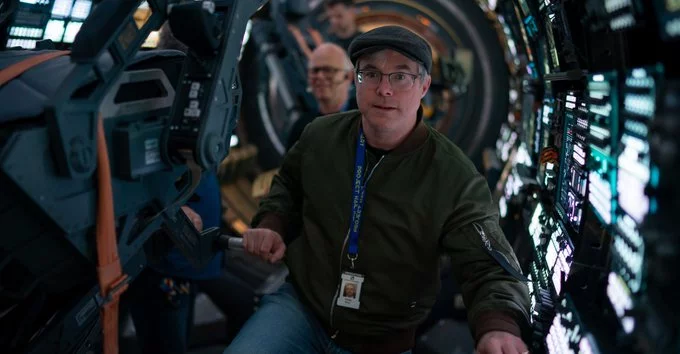
Curious why some books feel cinematic while others truly immerse you? Andy Weir shares a powerful insight: writing a novel like a movie is a mistake. Despite massive success with adaptations like The Martian and Project Hail Mary, Weir insists authors should focus on storytelling—not screen potential. His approach offers valuable lessons for both aspiring writers and readers who want to understand what makes a story truly engaging.
Success stories rarely follow a predictable path, and Weir’s journey proves it. His debut novel, The Martian, exploded in popularity before becoming a global box office hit directed by Ridley Scott. The film’s massive earnings cemented Weir as a storyteller whose work translates well to the screen.
More recently, Project Hail Mary has followed a similar trajectory, capturing attention with a strong opening and widespread buzz. These achievements might suggest that Weir writes with Hollywood in mind. Surprisingly, the opposite is true. He deliberately avoids thinking about film adaptations when crafting his books.
This mindset challenges a growing trend where writers attempt to make their novels feel like ready-made movies. Instead of chasing cinematic appeal, Weir prioritizes what works best for the written word.
Weir’s central advice is simple but often overlooked: books and movies are completely different storytelling mediums. Each has its own strengths, and trying to merge them too early can weaken the final product.
Movies rely heavily on visuals, pacing, and dialogue to convey emotion and action. Novels, on the other hand, thrive on internal thoughts, detailed explanations, and immersive world-building. When writers try to mimic film structure, they often strip away the depth that makes books unique.
Weir emphasizes that novels should fully embrace their ability to explore a character’s mind. That’s something films can only hint at through performance or narration. By leaning into these strengths, authors can create richer and more compelling stories.
Another key takeaway from Weir’s advice is timing. Thinking about adaptation too early can limit creativity. Writers may subconsciously avoid complex ideas or scenes that seem “hard to film,” even if they would work brilliantly in a novel.
Weir takes the opposite approach. He writes the best story possible without worrying about how it might translate to another format. Only after the book succeeds does adaptation become part of the conversation.
This strategy not only preserves creative freedom but also increases the chances of success. Ironically, stories that fully embrace their medium often make the best adaptations later.
Weir’s perspective offers practical guidance for anyone interested in writing. First, understand the strengths of your medium and use them fully. Don’t limit your ideas based on how they might look on screen.
Second, prioritize authenticity over trends. Trying to imitate popular film styles might seem appealing, but it often leads to shallow storytelling. Readers connect more deeply with stories that feel genuine and thoughtfully crafted.
Finally, remember that success doesn’t come from predicting what will sell—it comes from telling a story well. Weir’s career proves that focusing on quality can naturally lead to wider opportunities, including film adaptations.
At its core, Weir’s advice boils down to one powerful rule: write for readers, not for cameras. While the allure of Hollywood is strong, the foundation of any great adaptation is a strong, original story.
By ignoring adaptation during the writing process, Weir has managed to create stories that resonate deeply—and later thrive on the big screen. It’s a reminder that the best way to succeed in storytelling is to stay true to the craft itself.










Comment