Alerts

-
7 minutes, 21 seconds
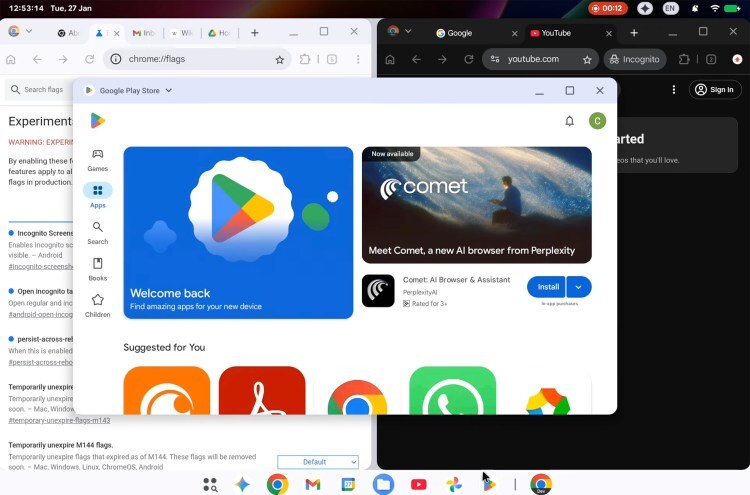
Android for PC has officially moved from rumor to reality after a newly surfaced leak revealed the operating system running on a laptop-like device. Within the first leaked screen recordings, users can see how Android is being reshaped for larger screens, keyboard input, and desktop workflows. Many have been asking whether Android could truly replace a traditional PC operating system, and this early look offers some answers. The footage suggests a hybrid platform designed to blend Android’s app ecosystem with a desktop-style interface. While unfinished, it provides the clearest indication yet of where Google’s computing strategy is headed.
The leak emerged from a publicly accessible bug report that briefly included screen recordings of the new operating system in use. Although access was later restricted, the videos had already circulated widely among developers and enthusiasts. The operating system is labeled as Android 16 internally, but with clear indicators that it belongs to a new project known as Aluminium OS. Build identifiers and interface elements strongly suggest this is not a concept demo, but a real test environment running on existing hardware. This points to internal testing already being well underway.
Aluminium OS looks exactly like what many expected from an Android-for-PC platform. A desktop-style taskbar sits at the bottom of the screen, closely resembling what users are familiar with from ChromeOS, but with subtle Android-inspired changes. The launcher button appears centered, echoing modern Android design trends rather than traditional desktop layouts. At the top of the screen, a status bar displays familiar Android icons for battery, connectivity, and notifications. The result is a visual identity that feels immediately recognizable while still signaling something new.
One of the most significant takeaways from the leak is how Android for PC handles multitasking. The footage briefly shows split-screen functionality, allowing multiple apps to run side by side in resizable windows. This is a crucial step for productivity-focused users who rely on multitasking throughout the day. Windowed apps behave more like desktop applications than mobile ones, suggesting deeper optimization for keyboard and mouse input. Although the demonstration is short, it confirms that productivity is a core focus of the platform.
The leaked recordings also provide a quick glimpse of the Play Store running natively within Aluminium OS. This detail alone sets Android for PC apart from many previous attempts at desktop operating systems. Access to millions of existing apps could give the platform an immediate ecosystem advantage. Developers may not need to rebuild their apps from scratch, reducing friction and accelerating adoption. For users, this could mean seamless access to familiar tools on a larger screen.
Rather than running on experimental devices, Aluminium OS appears to be tested on existing laptop hardware. This suggests the operating system is designed to work efficiently on current Chromebooks and similar devices. Using real consumer hardware during testing typically indicates that broader compatibility is a priority. It also raises the possibility that future updates could bring Android for PC to devices already in circulation. That potential upgrade path would significantly lower the barrier to entry for users.
Android for PC represents more than just another operating system experiment. It signals a shift toward unifying mobile and desktop experiences under a single platform. As users increasingly expect their devices to adapt to different form factors, a flexible OS becomes essential. Aluminium OS appears to be designed with that adaptability in mind. If executed well, it could simplify the ecosystem for users who move between phones, tablets, and laptops daily.
Despite the excitement, the leaked footage is clearly not a full showcase. There is little information about performance, battery optimization, or support for advanced peripherals. Key productivity features such as file management, external display handling, and advanced keyboard shortcuts remain unseen. The interface also looks unfinished in places, reinforcing that this is still a work in progress. These gaps highlight how early this glimpse really is.
Leadership statements from within the Android team have already hinted that more information will arrive later this year. The timing of this leak aligns with that expectation, suggesting official announcements may not be far off. As development continues, clearer answers should emerge around release timelines and supported devices. For now, Android for PC remains in a testing phase, but momentum is clearly building. This first look confirms that the project is real, active, and evolving quickly.
Android for PC could redefine how people think about Android as a platform. Instead of being limited to phones and tablets, it may soon power full desktop experiences. Aluminium OS shows early promise by combining familiar Android elements with desktop-friendly design. If refined properly, it could challenge long-standing assumptions about what Android can and cannot do. For users watching the future of computing unfold, this leak offers an intriguing preview of what may come next.










Comment