
-
2 minutes, 13 seconds
Many Americans are speaking out against the construction of AI data centers in their neighborhoods. A growing number of communities are resisting these massive facilities due to concerns about noise, energy use, and environmental impact. This article explores the reasons behind this pushback and what it means for the future of AI development.
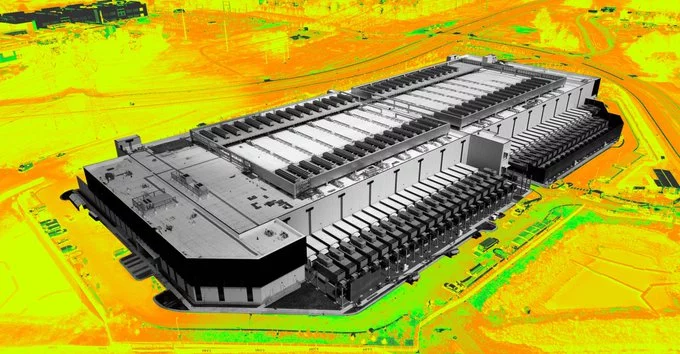
An AI data center is a large facility that houses computer servers and equipment used to run artificial intelligence systems. These centers require huge amounts of electricity and water to operate and cool down. As AI becomes more popular, companies are building more data centers across the United States.
Residents in several states have organized protests and filed lawsuits to stop data center construction. Here are the main reasons why:
In 2023, residents in Prince William County, Virginia, fought against a proposed AI data center near their homes. They cited noise and traffic concerns. Similarly, in Mesa, Arizona, locals opposed a facility that would use millions of gallons of water in a desert region. These cases show a clear trend: communities want a say in where AI infrastructure goes.
To reduce conflict, companies can take several steps:
As AI continues to grow, the need for data centers will increase. However, companies must listen to local concerns. By being transparent and working with communities, they can find locations that work for everyone. Americans do not want AI data centers in their backyards—but with better planning, they might accept them elsewhere.
In summary, the resistance to AI data centers is about protecting quality of life. By addressing energy, water, and noise issues, tech companies can build a more sustainable future for AI.

2.5K articles

1.3K articles

34 articles

28 articles














Comment