Alerts

-
7 minutes, 18 seconds
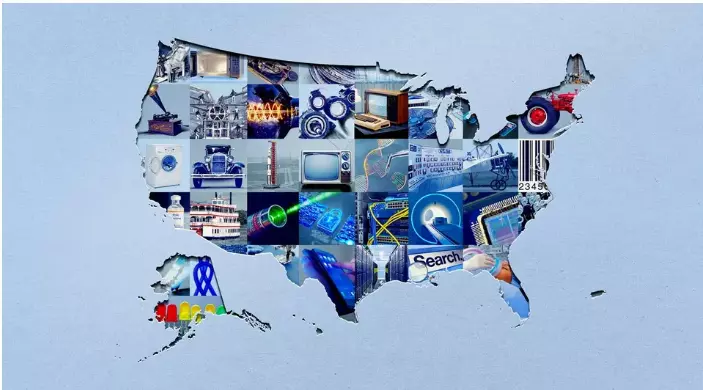
As America approaches its 250th anniversary, a key question is emerging: can economic growth become truly inclusive? Despite leading the world in innovation, technology, and global influence, the United States still faces widening inequality and uneven access to opportunity. While industries continue to evolve rapidly, not all communities benefit equally from that progress. Experts argue that the next era of growth must go beyond GDP and focus on shared prosperity. From workforce development to housing affordability, systemic challenges remain. Yet, the moment also presents a rare opportunity to reset priorities. The future of American growth may depend on how inclusive it becomes.
The story of America’s economic rise is deeply tied to its culture of innovation. Since the signing of the United States Declaration of Independence, the country has consistently pushed technological and industrial boundaries. Research shows that Americans have contributed to a majority of the world’s most impactful inventions over the past two centuries. Strong investment in research and development continues to fuel breakthroughs across industries. From universities to venture capital ecosystems, innovation remains deeply embedded in the economy. This leadership has positioned the U.S. at the forefront of emerging sectors like artificial intelligence and biotechnology. However, innovation alone does not guarantee shared economic benefits.
Despite impressive economic indicators, the benefits of growth are not evenly distributed. The United States generates a significant share of global GDP while representing a small portion of the world’s population. Yet, income inequality has widened dramatically over the past few decades. Households at the top of the income scale have seen consistent gains, while middle- and lower-income groups have struggled to keep pace. In many cases, wage growth has lagged behind the rising cost of living. This imbalance has created one of the largest income gaps among major economies. As a result, economic success at the national level often masks disparities at the local level.
One of the clearest signs of inequality is the growing housing crisis. Over the past decade, the shortage of available homes has intensified, pushing prices beyond the reach of many families. At the same time, income growth has been inconsistent, particularly for the bottom 60% of earners. For many households, financial stability increasingly depends on government support rather than wages. Geographic location also plays a major role in determining access to opportunity. Some regions thrive with strong job markets and infrastructure, while others fall behind. These disparities shape not only economic outcomes but also perceptions of future security. Addressing them is critical for building a more balanced economy.
Inclusive growth is not just a social goal—it is an economic necessity. When large segments of the population are left behind, overall productivity and consumer demand can suffer. Limited access to opportunity means untapped talent and slower innovation. Over time, this can weaken the very foundations of economic strength. Ensuring that more people benefit from growth can lead to stronger markets and more resilient communities. It also improves quality of life and social stability. As the economy evolves, inclusivity will play a key role in sustaining momentum. The challenge lies in translating growth into tangible benefits for all.
Looking ahead, the next phase of growth will be shaped by emerging technologies. Industries such as artificial intelligence, advanced manufacturing, and robotics are expected to define the future economy. However, this shift requires a workforce that is prepared to adapt. Developing an AI-fluent workforce is becoming a top priority for policymakers and business leaders. This includes expanding access to technical education and closing skills gaps in critical fields. Without these efforts, many high-demand roles could remain unfilled. At the same time, foundational skills like critical thinking and numeracy remain essential. Investing in education and training will be key to unlocking long-term growth.
Economic growth alone is not enough—mobility determines who benefits from it. Creating pathways for individuals to advance in their careers is essential for inclusive prosperity. This can involve rethinking hiring practices to focus more on skills than credentials. Expanding remote work opportunities can also help bridge geographic divides. Additionally, simplifying regulations and supporting entrepreneurship can drive job creation. These changes can make it easier for people to access better opportunities. When more individuals can participate in the economy, growth becomes more sustainable. Mobility, in this sense, is the engine of inclusive progress.
As the nation nears its 250th milestone, the focus is shifting from growth alone to the quality of that growth. The goal is no longer just to expand the economy but to ensure that prosperity is widely shared. This means addressing systemic barriers and investing in people at every level. Expanding access to good jobs, education, and wealth-building opportunities will shape the next chapter of American success. The path forward requires both innovation and intention. With the right strategies, the United States can redefine what economic leadership looks like. The next era of growth will not just be measured by output—but by inclusion.










Comment