Alerts

-
4 minutes, 45 seconds
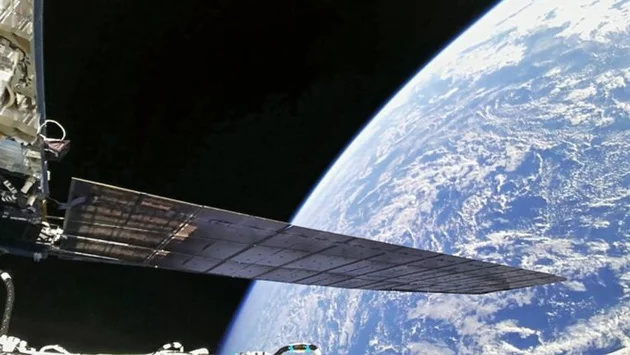
Amazon has taken a significant step toward building one of the largest low Earth orbit (LEO) satellite networks. The Federal Communications Commission (FCC) has approved the company’s request to launch an additional 4,500 satellites, expanding its Amazon Leo constellation to a total of 7,700. This move positions Amazon as a serious competitor to SpaceX’s Starlink, which currently operates over 9,400 satellites.
For customers searching for reliable global broadband alternatives, this announcement signals Amazon’s intent to deliver widespread high-speed internet coverage. While the service isn’t fully operational yet, the expansion makes Amazon Leo a major player in the satellite internet race.
Starlink has dominated the satellite internet space, with over 9 million subscribers as of late 2025. Amazon’s Leo program, formerly known as Project Kuiper, is still in its early stages but is scaling quickly. With FCC approval for 7,700 satellites, Amazon is set to become the second-largest satellite constellation in orbit.
Currently, Amazon has launched about 150 satellites. This limited number is not sufficient for full global coverage, but the new approval allows Amazon to dramatically increase its launch pace. The company’s strategy relies on its New Glenn rocket, designed to carry multiple satellites per flight, enabling faster deployment and eventual coverage for broadband users worldwide.
The FCC’s decision signals more than just regulatory approval—it represents a green light for expanding broadband access in underserved areas. Low Earth orbit satellites, like those in the Amazon Leo constellation, promise lower latency and faster internet speeds than traditional geostationary satellites.
As Amazon ramps up satellite launches, rural communities and regions with limited fiber-optic infrastructure could see significantly improved connectivity. Analysts predict that Amazon’s service could rival Starlink, offering consumers more options for reliable internet and potentially driving down subscription costs.
Amazon plans to start offering broadband service by the end of 2026. Achieving this ambitious goal will require a rapid acceleration in satellite deployment, as only a fraction of the constellation is currently in orbit.
The company faces several logistical challenges, from coordinating launches with its New Glenn rocket to ensuring satellites operate efficiently once deployed. However, Amazon’s experience with large-scale operations and cloud services may give it an advantage in managing such a vast satellite network.
The expansion of Amazon Leo is not just a milestone for Amazon—it represents a turning point for the satellite internet market. Increased competition between Amazon and Starlink could lead to faster innovation, better service reliability, and more affordable pricing.
Investors and consumers alike are watching closely, as Amazon’s entry into the broadband market could reshape how people access high-speed internet globally. With billions of people still lacking reliable connectivity, the success of Amazon Leo could have a profound impact on digital inclusion worldwide.
Amazon’s FCC approval for 4,500 additional Leo satellites marks a major leap toward expanding its satellite broadband service. While challenges remain, the move positions Amazon as a formidable competitor to Starlink, with the potential to deliver global high-speed internet access. As launches ramp up and coverage grows, consumers may finally see multiple options for satellite-based broadband, opening new possibilities for connectivity around the world.










Comment