Alerts

-
2 minutes, 32 seconds
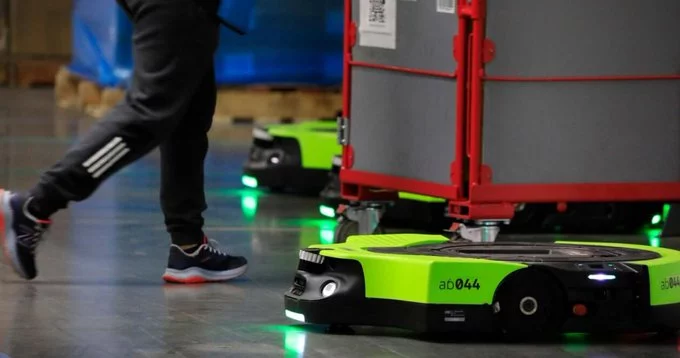
Amazon has taken a major step in warehouse automation by developing a new robot that workers can speak to. This innovation, part of Amazon's ongoing efforts to improve efficiency and safety in its fulfillment centers, allows employees to interact with the robot using natural language, making tasks like fetching items and managing inventory much easier.
The robot, which is still in early testing stages, uses advanced voice recognition and artificial intelligence (AI) to understand and respond to simple commands. Workers can ask the robot to bring specific items, move to a certain location, or help with heavy lifting. The goal is to reduce physical strain on employees and speed up order processing.
Amazon's warehouse jobs are physically demanding. Workers often walk miles each day, lift heavy boxes, and search for items. By introducing a robot that can be spoken to, Amazon aims to reduce fatigue and injuries. For example, instead of walking to a far corner to grab a heavy package, a worker can simply ask the robot to bring it to them.
This development signals a shift in how companies view automation. Instead of fully replacing human workers, Amazon is focusing on human-robot collaboration. The robot acts as a helpful assistant, not a competitor. This approach could set a new standard for warehouses and factories worldwide.
Experts believe that voice-controlled robots will become more common in logistics, healthcare, and retail. As AI improves, these robots will understand more complex commands and work safely in crowded spaces.
Despite the promise, there are challenges. The robot must understand different accents, background noise, and unclear commands. Amazon is also testing how workers feel about sharing their workspace with robots. Early feedback has been positive, with many employees saying the robot makes their job less tiring.
Amazon's warehouse robot that workers can speak to is a smart step toward safer, more efficient workplaces. By blending human skills with robotic strength and precision, the company is creating a future where technology supports people, not replaces them. As this technology matures, we can expect to see more voice-controlled robots in warehouses everywhere.

2.8K articles

2.8K articles

1.6K articles

34 articles











Comment