Alerts

-
5 minutes, 42 seconds
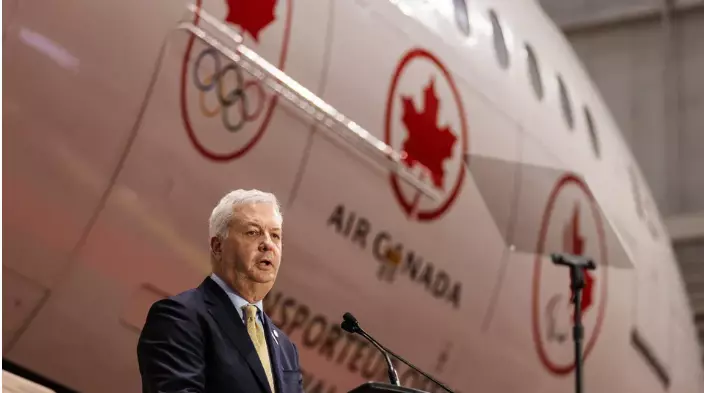
The communication skills crisis is taking center stage after a major airline CEO announced plans to step down following public backlash over a poorly received message. The incident has sparked widespread debate about what effective leadership looks like in 2026. At its core, the controversy highlights a growing expectation: leaders must communicate with clarity, empathy, and cultural awareness. In today’s global and highly connected workplace, even well-intended messages can damage trust if they fail to align with audience expectations.
The backlash stemmed from a public statement that failed to resonate with a diverse, bilingual audience during a moment of tragedy. While the message was intended to express condolences, it was criticized for lacking inclusivity and emotional alignment. Observers pointed out that the delivery did not reflect the linguistic and cultural realities of those affected. This disconnect quickly became more than a communication issue—it raised questions about leadership judgment and awareness. In high-stakes situations, audiences expect leaders to demonstrate sensitivity, not just intent.
What this situation reveals is a broader shift in workplace expectations. Communication skills are no longer considered optional or secondary—they are now a core requirement for leadership. Reports from global workforce studies consistently rank communication, collaboration, and emotional intelligence among the most critical skills for the future. Leaders are expected to navigate complex environments, balancing multiple perspectives while maintaining trust. When communication fails, even experienced executives can face serious consequences.
At the heart of the communication skills crisis is a lack of context awareness. Effective communication is not just about what is said, but how and to whom it is delivered. Leaders must consider cultural nuances, emotional tone, and the broader impact of their words. A mismatch between message and audience can quickly erode credibility. This is especially true in moments of crisis, where empathy and representation are essential. Without these elements, even a carefully crafted message can fall flat.
Empathy and emotional intelligence are becoming defining traits of successful leaders. In a world shaped by global audiences and diverse teams, leaders must connect on a human level. This goes beyond delivering information—it requires understanding how messages are perceived and felt. Employees, customers, and stakeholders are increasingly sensitive to authenticity. When leaders fail to show empathy, it creates distance and weakens trust. Strong communication, therefore, is as much about emotional awareness as it is about clarity.
The rise of AI and digital communication tools has added another layer of complexity. While technology can enhance efficiency, it can also strip away the human element if overused or misapplied. Employees are becoming more critical of generic or impersonal communication, especially when it feels automated. This shift is pushing leaders to refine their messaging and ensure authenticity remains at the forefront. Technology should support communication—not replace the human connection that builds trust.
Today’s leaders are expected to communicate across multiple levels and platforms simultaneously. From internal team updates to public statements, every message carries weight. Leaders must adapt their communication style depending on the audience, whether they are speaking to executives, frontline workers, or global stakeholders. This requires a combination of clarity, adaptability, and strategic thinking. The ability to manage communication across different contexts is quickly becoming a defining leadership skill.
The communication skills crisis is a clear signal that leadership standards are evolving. Success is no longer defined solely by experience or technical expertise, but by the ability to connect, engage, and respond effectively. Organizations are likely to place greater emphasis on communication training and development moving forward. For aspiring leaders, the lesson is simple: how you communicate can shape your career as much as what you achieve. In a world where every message is amplified, communication is no longer just a skill—it is leadership itself.










Comment