Alerts

-
7 minutes, 34 seconds
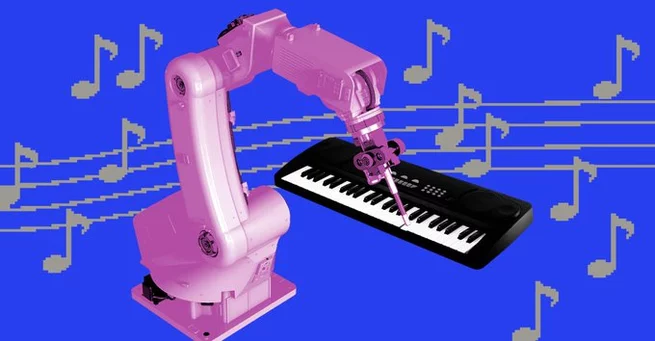
A growing coalition of creators is sounding the alarm about an AI slop future — a world where automated, low-quality content floods feeds while human-made work is scraped, remixed, and monetized without permission. On January 22, 2026, roughly 800 artists, writers, actors, and musicians publicly backed a campaign arguing that many generative AI models were trained on copyrighted material without authorization or payment. The message is blunt: “Stealing Isn’t Innovation.”
The campaign’s central claim is that the race to dominate generative AI has created incentives to copy first and negotiate later. Supporters say that when AI systems absorb massive volumes of creative work without consent, the result isn’t just unfair compensation — it also reshapes the internet into something noisier, thinner, and harder to trust. That’s where the phrase AI slop comes in: a shorthand for the “vapid avalanche” of synthetic content they fear will overwhelm original work.
The campaign materials argue this doesn’t merely harm individual artists; it changes what audiences encounter daily. If cheap AI output becomes the default, the concern is that the entire information ecosystem degrades — more lookalike posts, more convincing fakes, fewer incentives to fund real reporting, music, or film. That, they warn, can become self-reinforcing as models train on the junk they helped create.
The sign-on list is designed to be impossible to ignore. Reported backers include Cate Blanchett, Scarlett Johansson, Cyndi Lauper, and prominent authors and musicians spanning multiple generations and genres. The scale matters: it’s not one industry arguing in isolation, but a cross-section of culture-makers framing the same complaint — that AI companies are benefiting from creative labor while trying to weaken the rules that protect it.
Johansson’s involvement adds extra heat because her name has been tied to recent public fights over voice likeness and consent in AI products. Supporters point to cases like that as evidence that “permission” isn’t a nice-to-have; it’s the line between innovation and exploitation.
Behind the headline-grabbing names is the coalition infrastructure. The effort comes from the Human Artistry Campaign, a group that includes major industry organizations and performer unions. This matters because it signals coordination: not just a viral open letter, but an advocacy push aimed at policy, public opinion, and industry standards.
Campaign messaging is expected to run as prominent advertising and across social platforms, turning a complicated legal debate into a simple consumer-facing question: should AI tools be allowed to ingest creative work without a license? The coalition’s bet is that clarity — “stealing isn’t innovation” — travels faster than fine print.
At the heart of this is a collision between how generative AI gets built and how copyright works in practice. Many AI developers have argued that training on large internet datasets can be legal under concepts like fair use, while creators argue that mass copying and commercial benefit should require permission and payment. That tension is now playing out through lawsuits, policy proposals, and private negotiations.
The campaign’s position is straightforward: build AI the “responsible” way — through licensing frameworks, enforceable rules, and meaningful opt-out or consent mechanisms. It frames licensing not as a brake on progress, but as the basic infrastructure that allows innovation and creative careers to coexist.
Even if you’re not an artist, the AI slop future idea hits a nerve because it’s about everyday browsing. People already complain that search, social feeds, and recommendation engines can feel repetitive, spammy, or suspicious. Add an industrial-scale content generator, and critics fear the web becomes harder to navigate: more quantity, less signal, and more room for misinformation or deepfakes to thrive.
There’s also a competitiveness argument baked into the campaign. If the internet’s “training data” becomes polluted with synthetic junk, the next wave of models could get worse, not better — or at least less reliable. That’s a concern for businesses that depend on accurate outputs, and for platforms trying to keep users from tuning out entirely.
The campaign lands at a moment when the AI industry is being pulled in two directions: rapid deployment on one side, and rising pressure for consent-based approaches on the other. Some companies have pursued licensing deals, which supporters point to as proof that permission-based AI is possible — even if it’s not yet the default. Meanwhile, creators and unions appear determined to make “training data” a kitchen-table issue rather than a niche tech debate.
Whether this campaign changes laws quickly is uncertain, but it clearly aims to change the terms of the conversation. Instead of arguing about whether AI is “good” or “bad,” it narrows the dispute to a sharper point: who gets to profit from creative work, and under what rules. In the battle over what the internet becomes next, the fear of an AI slop future may be the phrase that finally sticks.










Comment