AI Robots in Factories: Why Replacing Humans Isn’t Cheap Yet
Humanoid robots are entering factories at a growing pace, sparking questions about whether they could replace human workers. While these machines are technologically impressive, their high costs and limited versatility make full replacement unlikely anytime soon. Even with future improvements, companies may find human labor more practical and cost-effective.
The High Cost of Humanoid Robots
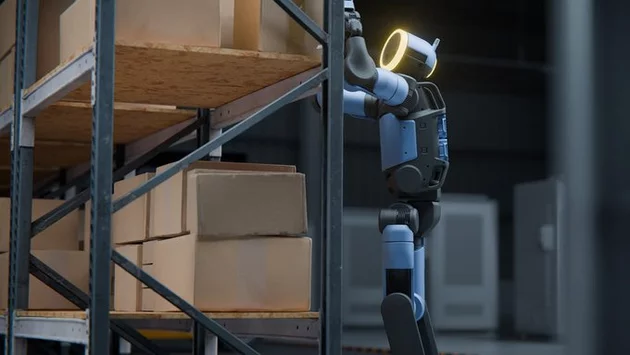
One major barrier is price. Advanced robots like Boston Dynamics’ Atlas can cost around $300,000 per unit. Even with plans from Hyundai to cut actuator and joint gear costs by 70% over the next four years, the price might only drop to about $130,000. For most factories, that’s still more expensive than hiring skilled human workers.
Human employees offer flexibility, problem-solving abilities, and efficiency across tasks that robots cannot easily replicate. While robots excel at repetitive work, their deployment for complex manufacturing is far from straightforward. Companies must consider maintenance, software updates, and potential downtime—factors that don’t affect humans in the same way.
Limited Production and Deployment Challenges
Hyundai’s plan to introduce Atlas robots in its factories highlights another limitation: scale. Producing these robots is complex, and even by 2030, the company may only have around 30,000 units. High costs, technical complexity, and supply chain constraints prevent mass deployment. This means most manufacturing facilities will continue to rely on human labor for the foreseeable future.
Even as material shortages ease, scaling up production involves challenges beyond just manufacturing. Factories need specialized infrastructure to support these machines, including sensors, safety systems, and trained personnel. Without this ecosystem, robots cannot operate effectively, making them a supplementary tool rather than a replacement.
Robots Can’t Match Human Versatility
Humans remain far more adaptable than robots. Workers can switch tasks, troubleshoot unexpected issues, and collaborate in ways that machines currently cannot. For example, a single worker may assemble multiple components, adjust to new designs, or handle quality control—all without significant reprogramming. Robots excel at repetition but often struggle outside narrowly defined tasks.
This versatility gap reinforces why companies hesitate to fully replace human teams. Cost per unit isn’t the only consideration; operational efficiency, flexibility, and reliability matter just as much. At present, AI robots are tools to enhance production rather than a substitute for employees.
Future Outlook for Factory Automation
Advances in robotics will continue, and costs may decline over the next decade. However, human labor will likely remain more economical for most manufacturing tasks. Companies might adopt a hybrid model: humans and robots working side by side, with robots handling repetitive or dangerous tasks while humans oversee operations, problem-solve, and maintain quality standards.
For now, fears of widespread replacement of factory workers by AI robots are largely overblown. Robots are impressive, but they are far from being a cost-effective alternative to human workers in real-world factories.













Comment