
-
4 minutes, 0 seconds
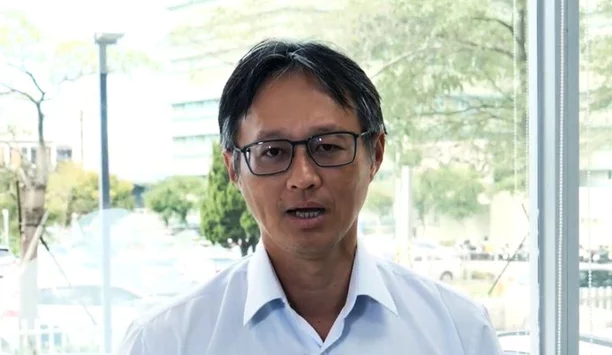
AI enthusiasts often assume that graphics processing units (GPUs) are the key to running advanced models. Yet, according to Phison CEO Pua Khein Seng, the real limiting factor isn’t compute power—it’s memory. Whether running AI locally on laptops or powering hyperscale data centers, insufficient memory can halt operations entirely. “If you don’t have enough memory, the system crashes,” Pua emphasized during an exclusive TechRadar Pro interview. This insight challenges conventional thinking and highlights the overlooked role of storage in AI performance.
Phison, the company behind the first single-chip USB flash drive, is leading the charge in redefining AI storage. Pua discussed innovations like 244TB SSDs and PLC NAND technology, designed to address AI memory demands. These high-capacity drives aim to bridge the gap between limited system memory and the enormous datasets AI models require. According to Pua, this approach is far more practical than focusing solely on high-bandwidth flash, which often fails to deliver consistent results in AI workloads.
While high-bandwidth flash sounds appealing, Pua warns that it doesn’t solve the core problem. AI models need both speed and volume to function efficiently. Flash optimized purely for bandwidth may deliver short bursts of speed but often hits limits during sustained AI computations. By contrast, storage solutions designed for maximum capacity allow data centers and AI platforms to scale reliably without crashing, directly impacting overall performance.
Phison’s CEO also revealed a connection between cloud service provider profits and storage capacity. Larger, more efficient SSDs not only support bigger AI models but also reduce operational costs, increasing profitability. Companies investing in scalable memory infrastructure can run more complex models and handle larger datasets, unlocking new revenue streams. Pua’s perspective underscores a shift in the industry: memory and storage innovations are becoming as critical to AI success as GPUs.
For AI developers, understanding memory constraints is essential. Running models on underpowered systems can result in crashes, errors, or severely slowed performance. Data centers are increasingly prioritizing high-capacity storage and memory-efficient architectures, ensuring AI workloads run smoothly. Pua’s insights suggest that future AI development may focus less on raw compute power and more on intelligent memory and storage design.
Phison is setting the stage for a new era of AI hardware. By addressing memory bottlenecks with advanced SSDs and NAND technology, the company hopes to enable faster, more reliable AI deployments. As AI models grow in size and complexity, the industry may finally recognize that memory, not GPUs, dictates the ceiling for innovation. This shift could redefine how companies design AI infrastructure for both performance and profit.

2.5K articles

1.3K articles

34 articles

28 articles














Comment