Alerts

-
6 minutes, 31 seconds
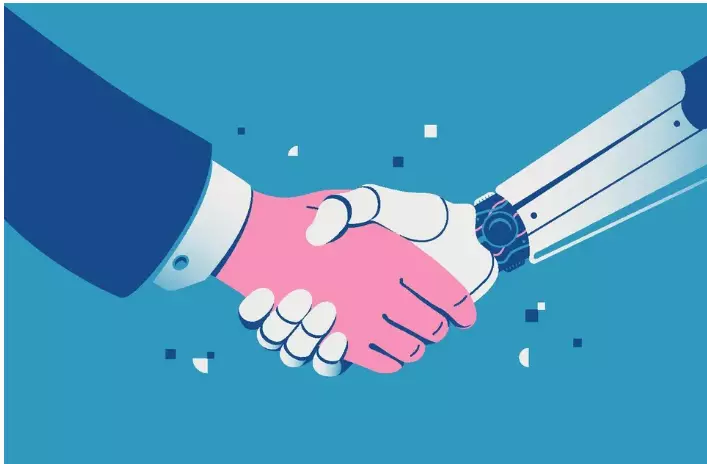
The AI jobs threat is one of the most searched and debated topics today, with many workers asking if artificial intelligence will replace them. The short answer: not exactly. While AI is transforming workplaces and automating tasks, it’s not eliminating the need for humans—it’s redefining how work gets done. In fact, for many professionals, AI could make jobs more meaningful, not less. By removing repetitive tasks, it allows employees to focus on higher-value work. The real story isn’t job loss—it’s job evolution. And that shift could actually improve your daily work experience.
For many knowledge workers, the biggest challenge isn’t the job itself—it’s everything surrounding it. Endless emails, constant meetings, and scattered files create a sense of daily overload. These small frustrations add up, leading to burnout and disengagement.
Even in well-managed organizations, employees often report that only a fraction of their time is spent on meaningful work. The rest is consumed by administrative noise and repetitive tasks. This imbalance is what makes workdays feel exhausting rather than fulfilling. And it’s exactly where AI is starting to make a difference.
One of the biggest misconceptions about the AI jobs threat is that it replaces human thinking. In reality, AI is best suited for routine, repetitive tasks—not creative or strategic work. It can draft emails, summarize reports, and organize information quickly and efficiently.
But when it comes to innovation, storytelling, or complex decision-making, humans still lead. AI relies on existing data, while people bring originality and context. This means AI doesn’t replace your role—it removes the least enjoyable parts of it. The result is more time spent on meaningful contributions.
A good workday isn’t defined by how busy you are—it’s defined by impact. Employees feel most satisfied when they’re solving problems, creating ideas, and contributing to something meaningful. These are the moments when work feels engaging rather than draining.
AI has the potential to increase these moments by clearing out low-value tasks. Instead of spending hours on administrative work, employees can focus on strategy and innovation. This shift doesn’t just improve productivity—it improves job satisfaction. And that’s a major cultural change.
To benefit from AI, employees need to actively learn how to use it. This includes understanding how to give clear instructions, refine outputs, and integrate tools into daily workflows. AI is not a plug-and-play solution—it requires intentional use.
Professionals who invest time in learning these tools will gain a significant advantage. They’ll be able to work faster, smarter, and with greater impact. Those who ignore AI risk falling behind as expectations evolve. In this new environment, adaptability is just as important as experience.
As AI takes over routine tasks, employees have an opportunity to redefine their roles. Instead of focusing on execution alone, they can shift toward strategy, leadership, and problem-solving. This requires a mindset change about what “real work” looks like.
Thinking, planning, and creating are becoming more valuable than simply completing tasks. AI enables this transition by handling the operational load. The result is a workplace where human skills are amplified rather than replaced. It’s a shift that benefits both individuals and organizations.
The fear surrounding AI is understandable, but it overlooks the bigger opportunity. Every major technological shift has changed jobs—but it has also created new ones. AI is no different. It opens the door to new roles, new skills, and new ways of working.
Rather than resisting this change, professionals who embrace it can position themselves for growth. The key is to focus on what AI cannot do—human insight, creativity, and leadership. These qualities will only become more valuable over time.
The AI jobs threat is real, but it doesn’t have to be negative. By removing inefficiencies and enabling smarter workflows, AI can make work more engaging and less stressful. It offers the possibility of more “good days” at work—days focused on meaningful contributions rather than endless tasks.
The future of work is not about humans versus machines. It’s about collaboration between the two. And for those willing to adapt, that future may be far more rewarding than the past.










Comment