Alerts

-
5 minutes, 4 seconds
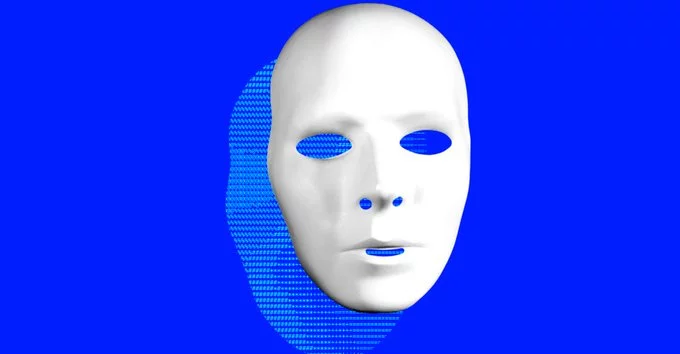
AI influencer awards are quickly becoming a major trend, signaling a shift in how digital creators are recognized and valued. As virtual personalities grow in popularity, new competitions now celebrate their creativity, storytelling, and realism. These awards aim to answer a key question many users are asking: can AI-generated influencers truly compete with human creators? With judging criteria focused on authenticity and visual accuracy, the industry is taking a significant step toward legitimacy and mainstream acceptance.
What started as experimental content has evolved into a fast-growing digital economy. AI influencers, once seen as quirky internet experiments, are now building large audiences and securing brand partnerships. This transformation has pushed organizers to introduce formal recognition platforms like “AI Personality of the Year.”
The rise of these awards reflects a broader industry shift. Companies and creators are investing heavily in AI-generated personalities that can post consistently, engage audiences, and adapt to trends in real time. As a result, AI influencers are no longer just a novelty—they are becoming strategic digital assets with real earning potential.
Unlike traditional influencer awards, AI competitions come with unique judging standards. Organizers emphasize “authentic narrative,” meaning the AI must present a believable and engaging persona across its content. Consistency in tone, storytelling, and interaction plays a major role in determining winners.
Visual realism is another critical factor. Judges assess how convincingly the AI resembles a real person, including small details that can easily break immersion. Even minor flaws, such as unnatural hand structures or facial inconsistencies, can impact rankings. These criteria highlight how far AI technology has come—and how much further it still needs to go.
As the AI content boom continues, the industry faces a growing challenge: oversaturation. Low-quality, mass-produced AI content—often referred to as “AI slop”—has flooded social platforms, making it harder for high-quality creators to stand out.
AI influencer awards are partly designed to address this issue. By rewarding excellence and originality, they create a benchmark for what good AI content should look like. This helps audiences and brands distinguish between serious creators and those simply generating content at scale without meaningful value.
Brands are increasingly drawn to AI influencers for their flexibility and control. Unlike human creators, AI personalities can be tailored to specific campaigns, maintain a consistent image, and avoid many risks associated with public figures. This makes them appealing for long-term marketing strategies.
Award recognition adds another layer of credibility. Winning or even being nominated can position an AI influencer as trustworthy and high-quality, making them more attractive to potential partners. As a result, these awards are not just about prestige—they can directly impact earning potential and growth opportunities.
The emergence of AI influencer awards suggests that virtual creators are here to stay. As technology improves, these personalities will likely become more realistic, interactive, and integrated into everyday digital experiences.
At the same time, the focus on authenticity and storytelling indicates that audiences still value connection—even when it comes from artificial sources. This balance between technology and human-like engagement will shape the next phase of the industry.
AI influencer awards may seem unusual today, but they represent a broader evolution in content creation. As the line between human and artificial creators continues to blur, recognition systems like these will play a key role in defining quality, trust, and influence in the digital age.









Comment