
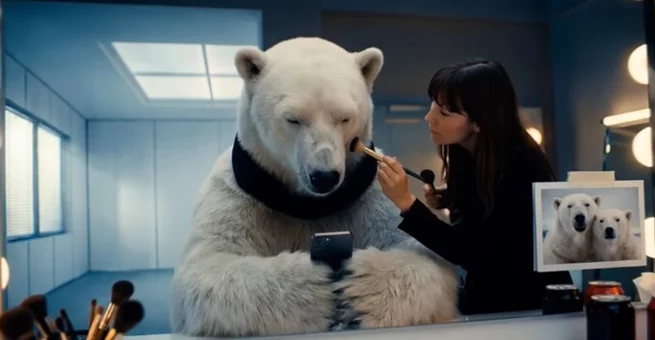
AI-Generated Ads Take Center Stage — and Miss the Mark
AI-generated ads dominated this year’s Super Bowl, and many viewers walked away asking the same question: Was this really the best use of generative AI? Within minutes of kickoff, social feeds filled with reactions criticizing the visuals, storytelling, and overall polish of commercials built with AI tools. Brands clearly leaned into automation to save time and money, but the results often felt rushed and underwhelming. Instead of showcasing innovation, many ads raised doubts about whether generative AI is ready for premium creative work. For an event known for iconic commercials, expectations were high—and AI-heavy spots struggled to meet them.
Why Brands Bet Big on AI-Generated Ads
The appeal of AI-generated ads is easy to understand, especially during the Super Bowl. A single 30-second slot can cost between $8 million and $10 million, pushing brands to cut expenses wherever possible. Generative AI promises faster turnaround times, smaller production teams, and dramatically lower costs. Over the past year, image and video models have improved enough that brands feel comfortable associating their names with AI-produced visuals. On paper, it looks like a smart business move. In practice, the gap between efficiency and excellence became impossible to ignore.
Oversaturation Made the Weaknesses Obvious
One AI-generated ad can feel novel. Dozens of them in the same broadcast quickly expose patterns and flaws. This year’s Super Bowl felt oversaturated with similar-looking visuals, familiar motion styles, and synthetic textures that lacked personality. Instead of standing out, many ads blended together into a forgettable stream of content. Viewers who expect spectacle and originality noticed the repetition immediately. The result was less excitement and more fatigue.
Cheap Production Was Hard to Hide
Historically, Super Bowl commercials feel premium because they are premium. Big budgets usually translate into meticulous cinematography, memorable performances, and strong emotional beats. This year, many AI-generated ads looked noticeably cheaper. Transitions felt abrupt, scenes lacked cohesion, and visual details often seemed unfinished. Even without knowing how the ads were made, audiences sensed something was off. The contrast with traditionally produced commercials made the shortcomings even more obvious.
Speed Over Craft Hurt Creative Impact
Several brands openly bragged about how quickly their AI-generated ads were made, sometimes in under a week. While speed can be impressive, it rarely substitutes for thoughtful creative development. Great ads are shaped through iteration, feedback, and human judgment. When speed becomes the headline, storytelling usually suffers. Many AI-driven commercials leaned on the novelty of AI itself rather than a clear message, leaving viewers confused about what was being sold or why they should care.
AI-Generated Ads Failed to Build Trust
Advertising during the Super Bowl is about more than visibility—it’s about trust and brand confidence. When ads look sloppy or unfinished, they can unintentionally signal that a brand is cutting corners. For viewers already skeptical about generative AI, these commercials reinforced concerns instead of easing them. Rather than making AI feel useful, reliable, or exciting, the ads often made it feel experimental and immature. That’s a risky message to send during one of the most watched events of the year.
Cost Savings Came at a Reputation Price
Yes, AI-generated ads are cheaper. But the Super Bowl is not a typical marketing environment. Brands pay a premium because the stage demands excellence. Saving on production while spending millions on airtime creates a strange imbalance. Many viewers questioned why companies would invest so much in placement but so little in execution. In the long run, a forgettable or poorly received ad can cost more in lost goodwill than it saves in production expenses.
What This Means for the Future of AI in Advertising
This year’s Super Bowl doesn’t mean AI-generated ads are doomed. Instead, it highlights how they’re being misused. Generative AI works best as a creative partner, not a full replacement for human insight. When brands rely entirely on automation, they risk stripping ads of emotion, nuance, and authenticity. The technology is evolving quickly, but creative judgment still matters. Audiences aren’t rejecting AI—they’re rejecting bad ads.
A Missed Opportunity on a Massive Stage
The Super Bowl was a chance to show how AI could elevate creativity. Instead, it became a case study in what happens when efficiency overshadows artistry. AI-generated ads didn’t just fail to impress; they actively lowered expectations. For brands and creatives alike, the takeaway is clear. Generative AI needs guidance, taste, and restraint to shine. Until that balance is found, the biggest stage in advertising may remain a place where human creativity still wins.










Comment