
Alerts
-
5 minutes, 32 seconds
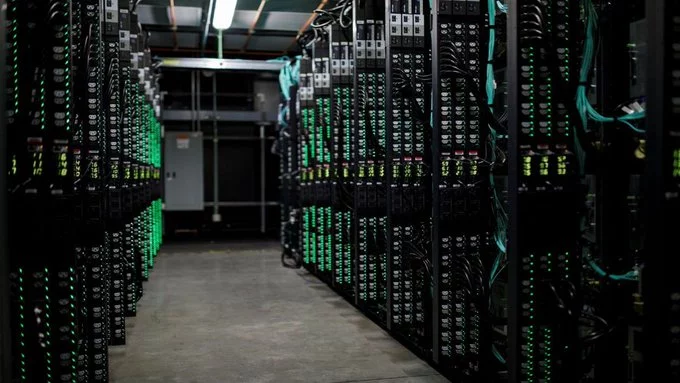
Washington State has rolled back key tax incentives for AI data centers, a move already raising questions about rising costs, industry competition, and the future of artificial intelligence infrastructure. The policy change directly impacts major tech companies investing heavily in data centers, including cloud providers and AI developers. As governments worldwide reconsider subsidies, this decision could signal a broader shift in how digital infrastructure is funded. Businesses and analysts alike are now watching closely to understand the long-term effects.
Lawmakers in Washington say the rollback is part of a broader effort to reassess tax incentives that have grown significantly over the years. Data centers, particularly those supporting AI workloads, require enormous energy and infrastructure investments. While tax breaks were originally designed to attract investment and create jobs, critics argue the benefits have not always matched expectations.
Rising public pressure also played a role in the decision. Concerns over energy consumption, environmental impact, and lost tax revenue have pushed policymakers to rethink whether these incentives still serve the public interest. By scaling back exemptions, officials aim to strike a better balance between economic growth and fiscal responsibility.
The decision is already sending ripples through the tech industry. Large companies, including Microsoft, have warned that changes to tax policies could distort regional competition. When incentives vary widely between states or countries, companies may shift investments to more favorable locations, potentially slowing development in regions with stricter rules.
AI data centers are particularly sensitive to cost changes because they require advanced hardware, massive energy supply, and continuous upgrades. Even small increases in operational costs can influence where companies choose to build or expand facilities. As a result, Washington’s policy shift could impact not just local investments, but also global infrastructure strategies.
The rollback comes at a time when the cost of building and operating AI data centers is climbing rapidly. These facilities rely on specialized chips, high-performance computing systems, and extensive cooling solutions. Combined with increasing energy demands, the financial burden has become a major concern for both companies and governments.
Supporters of the tax cuts argue that reducing incentives will help recover public funds and encourage more sustainable growth. However, opponents warn that the move could slow innovation or push investments elsewhere. This ongoing debate highlights the challenge of supporting technological advancement while managing economic and environmental trade-offs.
Not surprisingly, the tech industry has pushed back against the changes. Companies argue that stable and predictable tax policies are essential for long-term planning, especially for projects that require billions of dollars in investment. Sudden policy shifts, they say, can create uncertainty and discourage future expansion.
At the same time, efforts to reform data center tax policies have faced resistance across multiple regions. Policymakers must balance competing priorities, including economic development, environmental concerns, and public revenue. This complexity has slowed the pace of reform, even as pressure continues to build.
Washington’s decision may be just the beginning of a broader trend. As artificial intelligence continues to grow, governments around the world are likely to reevaluate how they support the infrastructure behind it. Tax incentives, once seen as essential tools for attracting investment, are now being scrutinized more closely.
For businesses, this means adapting to a more uncertain policy landscape. Companies may need to diversify their investments across regions or explore new ways to optimize costs. For policymakers, the challenge will be creating frameworks that encourage innovation while ensuring fair economic returns.
Ultimately, the rollback of AI data center tax breaks highlights a critical turning point. The balance between supporting cutting-edge technology and maintaining sustainable economic policies is becoming harder to achieve—and the decisions made today will shape the future of AI for years to come.










Comment