Did AI Companies Really Win the Copyright Fight?
In June 2025, Meta and Anthropic appeared to notch legal victories in two major copyright lawsuits over using authors’ books to train AI. These rulings have stirred up heated debates over whether training large language models like LLaMA and Claude counts as fair use. But did the courts truly side with the AI companies—or did they just expose deeper issues in copyright law? While the courts dismissed the authors’ lawsuits, they also left open critical questions about the legality of AI-generated content and the ethical implications of using pirated material.
Fair Use or Legal Loophole? AI Copyright in Question
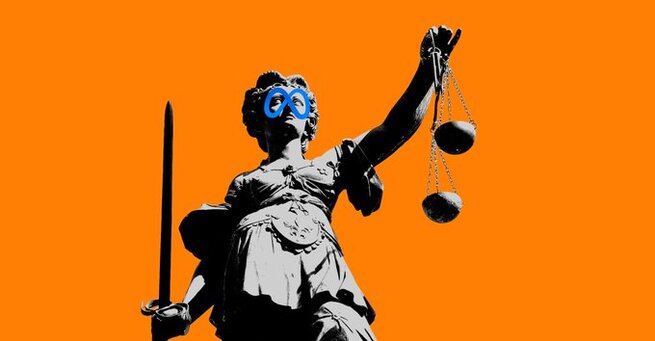
Judge William Alsup ruled in favor of Anthropic, stating that training an AI model using books could be considered fair use—at least in part. Similarly, Judge Vince Chhabria dismissed a lawsuit against Meta over the same issue. These decisions gave AI developers a temporary sense of relief, but both rulings also raised red flags. Judge Alsup condemned Anthropic’s use of pirated content, and Meta’s case acknowledged that unchecked AI outputs could overwhelm original human-created content, potentially making the practice incompatible with fair use principles.
The Risk Behind the Win: Piracy and Legal Exposure
Despite favorable outcomes, both companies face ongoing risks. Anthropic admitted to not purchasing all the books it used, opening the door to significant legal and financial consequences. The courts may have tolerated the training process itself, but they criticized the method—using pirated data. This signals that future AI training lawsuits could shift focus from fair use to the source of training material. Meanwhile, the ruling against Meta hinted that the courts recognize the threat AI poses to traditional artists, suggesting that future legislation could restrict this type of data usage further.
What’s Next for Generative AI and Copyright Law?
Neither ruling touched on the most pressing issue: when generative AI outputs infringe on copyright, who’s responsible—the company, the user, or both? The legal system hasn’t yet drawn clear lines around output accountability, leaving authors, developers, and lawmakers in limbo. While Meta and Anthropic walked away with short-term wins, the broader battle over AI copyright is far from over. As lawsuits evolve and copyright law tries to catch up, these cases will likely shape the future rules governing AI training, content creation, and intellectual property.











Comment