
-
3 minutes, 59 seconds
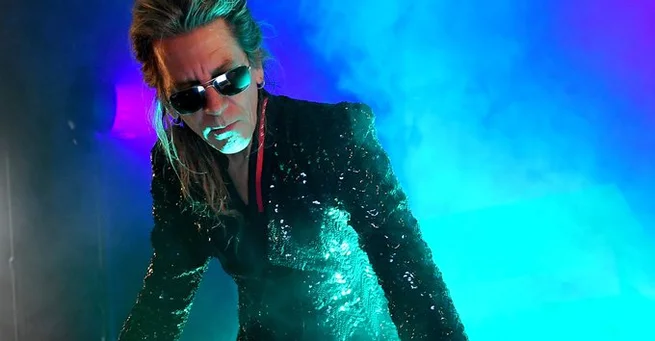
Musicians are increasingly frustrated with AI-generated clones of their work flooding streaming platforms. From fake Drake tracks in 2023 to recent King Gizzard and the Lizard Wizard impersonations, the rise of AI-created music is testing the limits of copyright enforcement. Artists describe the phenomenon as “shameless” and “predatory,” while fans struggle to distinguish real songs from fakes. This surge of AI clones has ignited a wave of anger, prompting musicians and streaming platforms alike to take action.
What began as isolated incidents in 2023 has now grown into a widespread industry crisis. Musicians like Beyoncé and experimental composer William Basinski have found fake tracks bearing their names online. These AI-generated songs are not only confusing fans but also threatening artists’ reputations and revenue. The problem has become so pervasive that even well-known bands now view it as an inevitable challenge rather than a rare nuisance.
Industry reactions are fierce and vocal. Stu Mackenzie of King Gizzard and the Lizard Wizard summed up the sentiment, telling The Music, “We are truly doomed.” Musicians describe the ongoing flood of AI fakes as “total bullshit,” highlighting both frustration and resignation. The emotional toll on creators is mounting as the AI-generated content continues to blur the line between originality and imitation.
Spotify has responded by formalizing its impersonation policies and removing 75 million spam tracks from its platform. Deezer, meanwhile, reports that 50,000 AI-generated tracks are uploaded daily, representing more than a third of the music it receives. Despite these efforts, the scale of the problem makes enforcement difficult, and many fake songs continue to circulate unchecked.
Beyond the technical hurdles, AI music raises legal and ethical questions. Copyright laws struggle to keep pace with technology, leaving artists with limited protection against AI impersonation. While some streaming services have introduced stricter content verification processes, enforcement remains reactive rather than proactive. The industry is now at a crossroads, debating how to protect creators without stifling innovation.
For listeners, AI clones can be confusing and disappointing. Fans risk supporting fake tracks unknowingly, potentially diverting revenue away from the original artists. The proliferation of AI-generated content challenges trust between platforms, artists, and audiences, threatening the integrity of digital music libraries.
As AI music technology continues to evolve, musicians face a new reality: their voices and styles can be replicated effortlessly. Industry leaders must balance innovation with protection, while creators push for clearer policies and stronger enforcement. Without decisive action, the flood of AI clones could reshape the music landscape, forcing both artists and fans to navigate an increasingly complex digital world.

2.5K articles

1.4K articles

34 articles

28 articles













Comment