
Alerts
-
4 minutes, 19 seconds
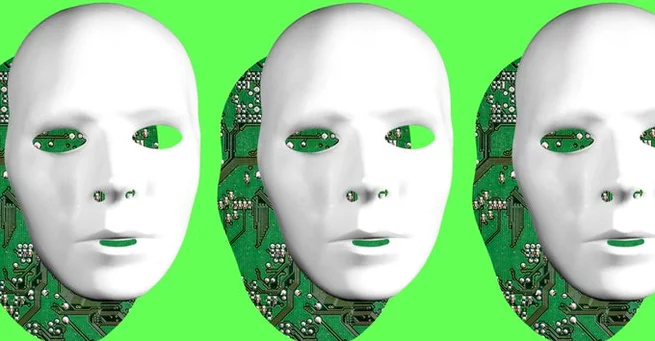
New York Forces Ads to Reveal AI Avatars
Starting Thursday, New York advertisers must now disclose when their campaigns feature AI-generated people. Governor Kathy Hochul signed S.8420-A/A.8887-B, the first U.S. law of its kind, mandating transparency in commercial content. The law aims to protect consumers and ensure viewers know whether the faces they see are real humans or digital creations. This move comes as AI-generated media becomes increasingly sophisticated, raising questions about authenticity and ethics in advertising.
Protections for Deceased Celebrities and Public Figures
Alongside the AI disclosure bill, Hochul approved another law requiring consent from heirs or executors before using a deceased person’s likeness for commercial purposes. With no federal right of publicity, this legislation updates New York’s state law to address generative AI, closing loopholes that previously allowed companies to profit from celebrity images without permission. This is particularly relevant for film, television, and media companies leveraging AI recreations.
Impact on the Entertainment Industry
Actors and creators have long voiced concerns about AI in advertising and film. SAG-AFTRA praised the law, with executive director Duncan Crabtree-Ireland calling it a “direct result of artists, lawmakers and advocates confronting the risks of unchecked AI use.” The law requires any synthetic avatar in ads to be “conspicuously” disclosed, ensuring audiences understand when a character is computer-generated rather than a real human performer.
Exceptions for Creative Works
Not all ads are affected. The law exempts AI avatars used in “expressive works,” such as movies, TV shows, or video games, if the ad’s avatar aligns with the work itself. State agencies have already experimented with AI-generated public service ads, some of which may qualify for these exemptions. This nuanced approach balances transparency with creative freedom in media.
Penalties for Noncompliance
Advertisers who fail to disclose AI avatars face fines starting at $1,000 for the first offense and $5,000 for repeated violations. The legislation signals New York’s intent to take AI ethics seriously, enforcing accountability in a rapidly evolving digital landscape.
Political Tensions Over AI Regulation
New York’s legislation comes amid national debates on AI regulation. Former President Donald Trump has hinted at measures that could limit state authority over AI laws, potentially including a moratorium. How these federal-state dynamics will play out remains uncertain, but New York has taken a clear first step in setting regulatory standards.
Consumer Awareness in the AI Era
As AI-generated media proliferates, laws like New York’s are critical for consumer awareness. Advertisers must now provide transparency, ensuring audiences can distinguish real humans from AI avatars. For creators, performers, and brands, this legislation marks a new chapter in ethical AI usage, shaping how audiences engage with digital content.
The adoption of AI disclosure laws may influence other states and industries. With AI tools becoming ubiquitous in marketing and entertainment, transparency measures are likely to expand nationwide. For New Yorkers, these laws mean one thing: when you watch an ad, you’ll know if the person on screen is real—or just a product of AI.









Comment