
Alerts
-
3 minutes, 51 seconds
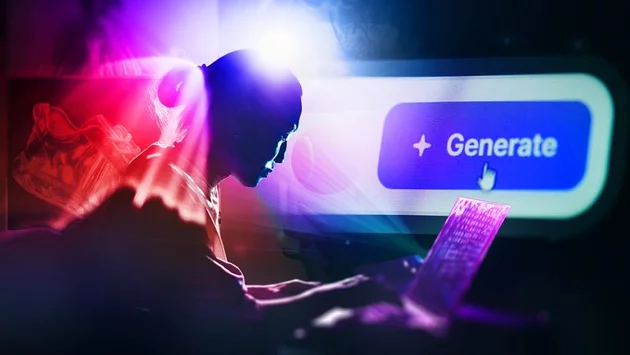
AI-generated art has taken the digital world by storm, but 2026 could mark a turning point. Once celebrated for speed and novelty, AI “art” now faces scrutiny from creators, collectors, and audiences alike. Critics argue that its overuse has drained excitement, leaving a cultural void where originality used to thrive. Questions arise: Can AI art remain relevant, or will it fade like a passing trend? Emerging opinions suggest that the solution isn’t regulation—it’s a shift in perception.
One key factor behind AI art’s decline is oversaturation. Social media platforms are flooded with generative images, memes, and NFT-like experiments, leading to a sense of repetition. What once felt revolutionary now appears mass-produced and impersonal. This glut has sparked conversations about value and authenticity in art, pushing audiences to crave human touch over algorithmic output. For artists, it’s a reminder that skill and context matter more than sheer volume.
Interestingly, influencers and collectors are shaping AI art’s reputation more than ever. When tastemakers declare a style “overdone” or “uninspired,” audiences respond quickly, creating a self-reinforcing trend cycle. Early adopters of AI art are now reconsidering their collections, signaling a cultural pivot. The shift demonstrates that popularity alone cannot sustain creative relevance—social validation and perceived authenticity play crucial roles.
As AI art faces critique, human creativity is emerging as the ultimate differentiator. Workshops, collaborative projects, and live exhibitions are gaining traction, highlighting techniques that AI can’t replicate: emotion, storytelling, and context. Audiences increasingly value experiences over algorithms, creating opportunities for artists to reclaim attention. In this landscape, the “uncool” factor for AI art is less about banning technology and more about celebrating what machines cannot replace.
Tech companies producing generative AI tools are taking notice. Some are adjusting algorithms to make outputs less formulaic, while others encourage collaboration between human and AI creators. Platforms are experimenting with discovery feeds and curation methods that favor originality over sheer quantity. These measures may help restore balance, ensuring AI remains a tool rather than a cultural crutch.
2026 could redefine how society perceives AI in creative spaces. By making AI art “uncool,” the conversation shifts from fear and control to taste and cultural relevance. Artists, collectors, and tech innovators alike are navigating a landscape where novelty alone no longer guarantees attention. The future of AI art may hinge on restraint, intentionality, and human-centered storytelling, proving that technology excels most when paired with authenticity.







Comment