Alerts

-
4 minutes, 59 seconds
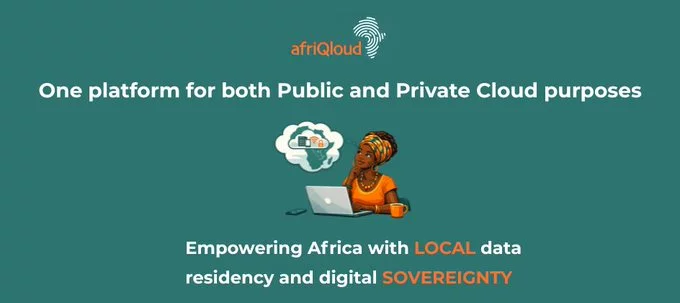
Africa’s digital infrastructure is entering a new phase as governments and institutions search for secure, affordable, and sovereign cloud solutions. AfriQloud is emerging as a Pan-African initiative designed to reduce reliance on foreign hyperscale providers while strengthening local control of data and digital services. This shift answers key search questions around data sovereignty, distributed cloud computing, and AI-driven governance. It represents a strategic move toward infrastructure owned and operated within the continent, aligning technology growth with economic and policy independence.
AfriQloud represents a response to Africa’s long-standing dependence on external cloud providers. While global platforms have accelerated digital transformation, they often operate under regulatory frameworks outside African jurisdictions. This creates concerns around data sovereignty, cost leakage, and operational dependency. AfriQloud reframes the cloud not as a rented service but as a sovereign infrastructure layer. By prioritizing local control and regional interoperability, it enables governments to host critical workloads closer to citizens. This approach strengthens resilience, improves compliance alignment, and supports long-term digital independence across multiple sectors including finance, healthcare, and public administration.
At the core of AfriQloud is a distributed cloud model designed for Africa’s diverse connectivity landscape. Unlike centralized data centers, distributed infrastructure places computing resources closer to users, reducing latency and improving service reliability. This design is particularly important in regions where connectivity can be inconsistent or costly. It also ensures that sensitive national data remains within jurisdictional boundaries, reinforcing regulatory control. Combined with edge computing principles, this model supports faster decision-making, efficient bandwidth use, and improved digital resilience for governments and enterprises operating in dynamic environments.
AfriQloud integrates agentic AI systems that go beyond traditional automation. These intelligent systems can plan, adapt, and execute tasks with minimal human intervention, enabling governments to streamline service delivery. From automated citizen support systems to intelligent resource allocation, agentic AI reduces administrative bottlenecks and improves responsiveness. It also lowers the dependency on large specialized technical teams, making advanced digital services more accessible. When combined with distributed cloud infrastructure, agentic AI creates a powerful framework for scalable, cost-effective, and citizen-centered governance across Africa’s rapidly evolving digital landscape.
AfriQloud is structured around three interconnected pillars that ensure both strategic direction and operational execution. The ThinkTank provides policy guidance and expert advisory support, helping governments make informed infrastructure decisions. The Capital Fund mobilizes financing from development partners and investors, ensuring large-scale deployment is economically viable. The Consortium brings together local operators, telecom providers, and developers to implement infrastructure on the ground. This model ensures knowledge transfer, local job creation, and long-term ownership. Together, these pillars create a sustainable ecosystem that balances global expertise with African control and participation.
As Africa accelerates its digital transformation, AfriQloud positions itself as a foundation for long-term technological independence. Its emphasis on sovereignty, distributed systems, and AI-driven efficiency aligns with the continent’s need for scalable yet locally governed infrastructure. Beyond infrastructure, it opens opportunities for innovation ecosystems, startup growth, and cross-border digital trade. The success of this model will depend on implementation, regulatory alignment, and sustained investment. If executed effectively, it could redefine how Africa participates in the global digital economy, shifting from consumer to creator of core digital infrastructure. Continued collaboration between governments private sector players and innovators will be essential to ensure inclusive and sustainable digital transformation outcomes across Africa future.










Comment