Alerts

-
2 minutes, 34 seconds
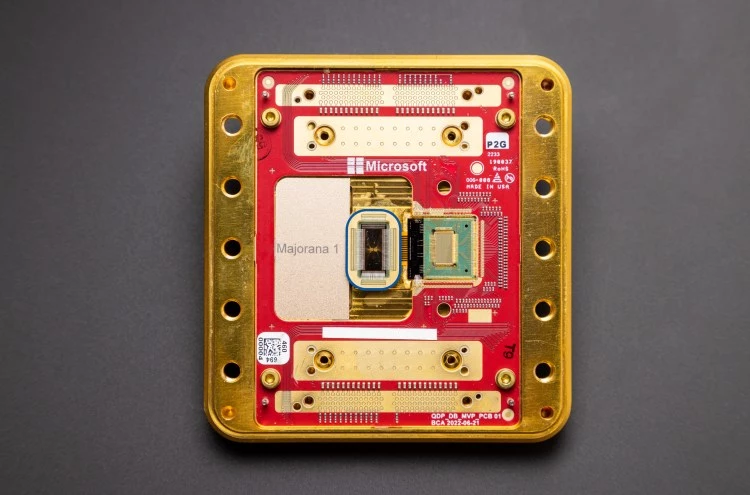
A new peer-reviewed paper argues that Microsoft exaggerated its quantum computing claims from a year ago. The critique focuses on Microsoft's Majorana 1 announcement, which promised a working topological qubit. According to the paper, Microsoft did not conclusively demonstrate a functional topological qubit. Microsoft disagrees with this assessment.
This debate matters because topological qubits are seen as a holy grail in quantum computing. They are theoretically more stable and less error-prone than other qubit types. If Microsoft's claims were overstated, it could slow down progress and mislead investors and researchers.
The peer-reviewed critique, published in a respected scientific journal, states that Microsoft's evidence for a topological qubit was not conclusive. The authors argue that the data presented could be explained by other, more conventional physical phenomena. They call for more rigorous testing before accepting the breakthrough.
Microsoft has pushed back against the paper. In a statement, the company said its original research was thorough and peer-reviewed before publication. Microsoft insists that its Majorana 1 demonstration was valid and that the new critique misunderstands the data.
This kind of back-and-forth is common in cutting-edge science. Quantum computing is incredibly complex, and claims are often debated for years before a consensus emerges.
Topological qubits are a special type of qubit that use exotic particles called Majorana fermions. They are designed to be more robust against errors, which is a major problem in quantum computing. If Microsoft had truly built a working topological qubit, it would have been a massive leap forward.
Companies like Google, IBM, and startups are all racing to build the first practical quantum computer. If Microsoft's claims are exaggerated, it could affect funding, partnerships, and public trust. On the other hand, if the critique is wrong, it could slow down a genuine breakthrough.
If you are following quantum computing news, this debate is a reminder to be skeptical of big claims. Science works through verification and criticism. The best approach is to wait for independent replication and further studies.
For investors, this is a cautionary tale about hype in emerging tech. For researchers, it highlights the importance of rigorous peer review.
The new paper does not prove that Microsoft faked its results. It simply argues that the evidence was not strong enough to claim a working topological qubit. Microsoft remains confident in its work. The truth will likely emerge as more labs try to replicate the findings.
Stay tuned to this space. The quantum computing story is far from over.









Comment