Alerts

-
7 minutes, 10 seconds
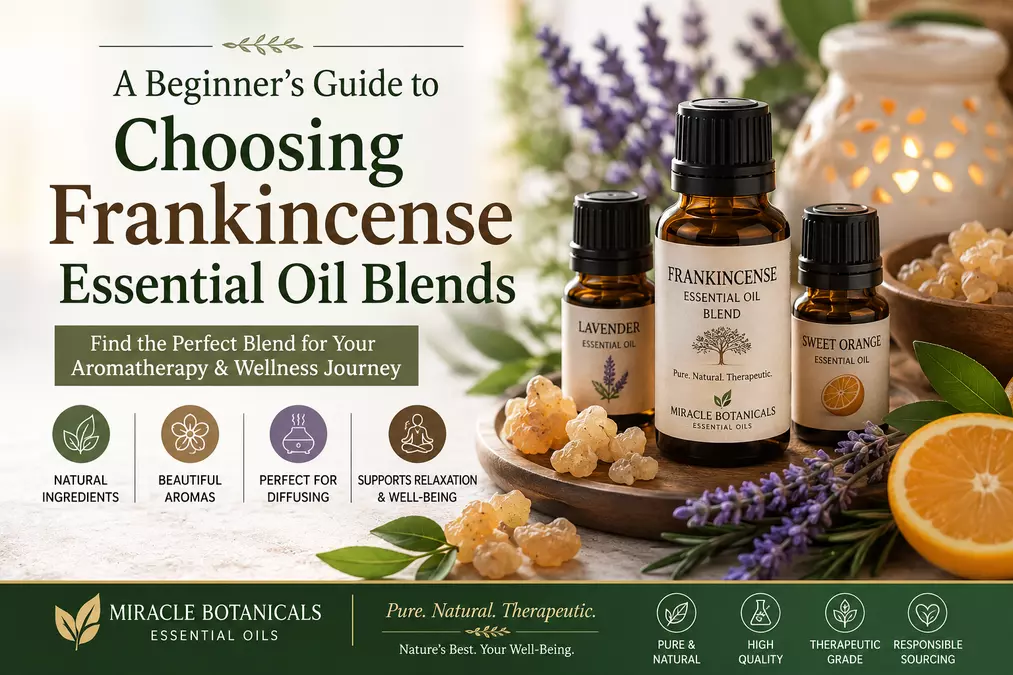
Choosing the right aroma for a personal wellness routine can feel overwhelming, especially when there are so many options available. Frankincense essential oil blends are popular among aromatherapy enthusiasts because they can combine the distinctive woody, resinous character of frankincense with complementary scents. For beginners, understanding ingredients, aroma profiles, intended uses, and quality can make the selection process much easier.
Frankincense has been valued for centuries for its distinctive fragrance and its place in traditional aromatic practices. Its scent is commonly described as warm, earthy, slightly sweet, woody, and resinous. These characteristics make it a versatile ingredient that can be paired with floral, citrus, herbal, and other earthy oils.
A frankincense oil blend may contain frankincense alongside several complementary essential oils. Each combination creates a different aromatic experience. Some blends may have a fresh and uplifting character, while others can feel warmer, softer, or more grounding.
Before buying a blend, beginners should consider what type of fragrance they prefer. Someone who enjoys fresh aromas may prefer frankincense paired with citrus oils, whereas those who enjoy softer fragrances may prefer combinations containing floral oils.
One of the most important factors when selecting a blend is its overall scent. Frankincense has a strong personality, but the oils combined with it can significantly change the final aroma.
For example, frankincense paired with lavender can create a soft, herbal fragrance. Citrus oils such as sweet orange or lemon can introduce brighter notes. Woody oils may produce a deeper, earthier profile, while floral oils can make the blend feel more delicate.
Beginners can explore different frankincense aromatherapy blends according to their personal scent preferences. Reading the ingredient list before purchasing can help provide a better idea of what the finished aroma may smell like.
A quality essential oil blend should clearly identify the oils included in the formulation. Checking the ingredient list helps consumers understand exactly what they are purchasing and whether the fragrance matches their preferences.
A natural frankincense oil blend may contain frankincense combined with other botanical essential oils. However, consumers should not assume that every product described as a blend contains only essential oils. Some products may include fragrance ingredients or carrier oils, depending on how they are formulated.
For this reason, product descriptions and labels should be reviewed carefully. Beginners should also pay attention to botanical names when available, as these can provide additional information about the ingredients used.
Different people choose essential oil blends for different aromatic experiences. Some may want an inviting fragrance for a living space, while others may be interested in incorporating aromas into meditation or relaxation routines.
Pure frankincense essential oil blends can be considered by those who want formulations centered around botanical essential oils. However, “pure” should always be understood in the context of the product label and formulation. Consumers should check whether the blend is ready to use, intended for diffusion, or designed to be diluted before topical application.
The intended use is particularly important because not every essential oil blend is suitable for every application. Following the manufacturer's directions can help ensure the product is used appropriately.
One advantage of choosing a blend rather than a single oil is the opportunity to experience multiple aromas together. Frankincense can work particularly well with several fragrance families.
Lavender is often selected for its gentle floral-herbal character, while citrus oils can provide a brighter contrast to frankincense's deeper notes. Cedarwood, sandalwood, and other woody aromas can create a more pronounced earthy profile.
These frankincense essential oil combinations can offer variety for people who are still discovering which aromatic profiles they enjoy most. Beginners may benefit from trying one blend at a time rather than purchasing numerous products immediately.
Quality should be an important consideration when purchasing essential oils. Consumers can look for transparent product information, clearly listed ingredients, appropriate packaging, and instructions for use.
A reputable supplier should provide enough information for customers to understand what they are buying. Details about the essential oils included, suggested applications, storage, and safety precautions can all be useful.
Miracle Botanicals Essential Oils is one example of a supplier that offers a range of botanical oil products for consumers interested in exploring different aromatic options.
Price can also provide context, but the cheapest product is not necessarily the best choice. Instead of focusing exclusively on cost, beginners should compare ingredient transparency, sourcing information, formulation details, and product instructions.
There is no single blend that will appeal to everyone. Fragrance is highly personal, so a combination that one person finds relaxing may not be appealing to another.
People who prefer fresh scents can look for combinations that include citrus or lighter herbal notes. Those who prefer rich fragrances may enjoy woody or resinous combinations. Floral pairings may appeal to people looking for softer and more delicate aromas.
Keeping a simple note of preferred oils can make future purchases easier. Over time, beginners can identify which fragrance families they enjoy and select blends accordingly.
For someone new to aromatherapy, purchasing a large collection immediately may not be necessary. Starting with smaller quantities can provide an opportunity to explore different scents without making a significant investment.
Trying a few carefully selected therapeutic frankincense oil blends can help beginners compare fragrance profiles and determine what works best for their personal routine. Products should always be used according to their labels, particularly when they are intended for topical applications.
Essential oils are concentrated substances, so appropriate dilution and safety guidance are important. They should not automatically be applied directly to the skin simply because they are described as natural.
Essential oils require responsible handling. Beginners should read the manufacturer's instructions and follow recommended dilution guidelines for topical use. Diffusers should also be operated according to their instructions and used in suitable, well-ventilated spaces.
People with specific health concerns, allergies, sensitivities, or special circumstances should seek appropriate professional advice before incorporating essential oils into their routine. Essential oils should also be kept away from children and pets unless their use around them has been specifically confirmed as safe.
Safety information is just as important as fragrance selection when choosing an essential oil product.
Beginners who want to explore the broader process of selecting blended oils can also read this guide on How to Choose the Right Blended Essential Oil for Your Needs. It provides additional considerations for comparing blends and matching an oil combination with individual preferences and everyday needs.
Selecting frankincense essential oil blends does not have to be complicated. Beginners can start by identifying their preferred fragrance family, checking the complete ingredient list, understanding the intended application, and choosing products from transparent and reputable suppliers.
It can also help to explore different frankincense botanical oil blends gradually. Rather than relying on claims about what a particular blend should do, consumers can focus on fragrance, formulation, quality, and appropriate use. With a little experimentation, it becomes easier to identify combinations that fit naturally into an aromatherapy or home fragrance routine.
Ultimately, the best choice is one that matches personal scent preferences while providing clear information about ingredients and safe usage. Taking time to compare options can make the experience more enjoyable and help beginners develop a better understanding of essential oil blends.
Frankincense is known for its distinctive warm, woody, resinous, and slightly sweet aroma. Its versatility allows it to pair with many floral, citrus, herbal, and woody essential oils.
Frankincense can be combined with oils such as lavender, sweet orange, lemon, cedarwood, and other complementary botanical oils. The best combination depends on individual fragrance preferences.
Beginners should consider the aroma profile, ingredient list, intended use, quality information, and safety instructions. Starting with a small quantity can also make it easier to explore different options.
Not necessarily. Some blends are intended for diffusion, while others may require dilution before topical use. Users should always follow the product's specific instructions.
Essential oils are generally best stored according to the manufacturer's recommendations, away from excessive heat, direct sunlight, and unnecessary exposure to air. Keeping bottles properly closed can help preserve their aromatic qualities.





Comment