Alerts

-
7 minutes, 12 seconds
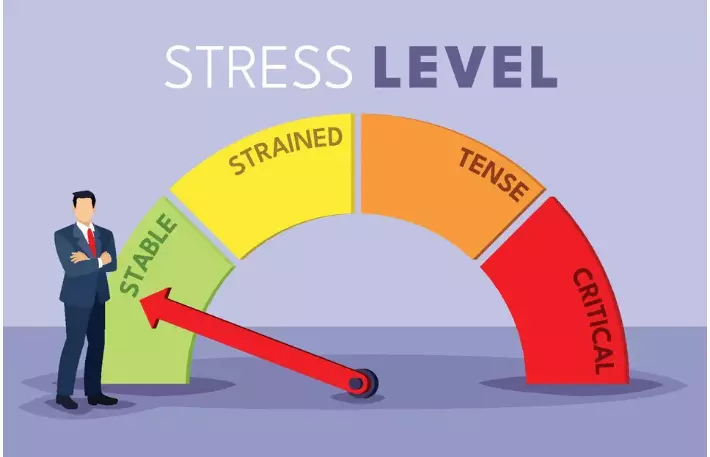
High-paying jobs don’t have to come with burnout—that’s the reality many graduates are now discovering. As career pressure rises, more job seekers are searching for six-figure careers with low stress that offer both financial security and mental well-being. New research shows it’s possible to earn over $100,000 without sacrificing peace of mind. For a generation already facing early burnout, this shift couldn’t come at a better time. Instead of chasing high-intensity roles, graduates are becoming more strategic about where and how they work. The result is a growing interest in careers that balance income with sustainability. And the data is starting to support that shift.
Burnout is hitting younger professionals earlier than ever before, reshaping how they think about success. Studies show many Gen Z workers experience peak burnout by their mid-20s, long before reaching career stability. Work-related stress has become the biggest concern, even ahead of finances and mental health struggles. This has forced graduates to rethink traditional advice that equates high pay with high pressure. Instead, they are actively searching for roles that offer structure, predictability, and long-term growth. The demand for healthier work environments is no longer optional—it’s a defining career priority. And employers are beginning to take notice.
Recent analysis combining salary data and stress tolerance scores highlights a surprising truth. Several careers now offer six-figure earnings while maintaining below-average stress levels. These roles were identified using labor data and workplace stress ratings, focusing on jobs with strong income potential and manageable demands. What stands out is the pattern behind these careers. They tend to emphasize planning, research, and analytical thinking over constant urgency. Unlike high-pressure industries, they operate on structured timelines and predictable workflows. This makes them especially appealing to graduates seeking both stability and success. It’s a new blueprint for career growth.
Some of the most rewarding low-stress careers are found in science, research, and data-driven fields. Roles like natural sciences managers and astronomers lead the list with salaries well above $130,000. Actuaries and mathematicians also rank highly, offering strong income through analytical and problem-solving work. Physical scientists and economists provide similar benefits, combining intellectual challenge with steady work environments. Meanwhile, careers like computer systems analysts and mechanical engineers offer structured project-based workflows. Social scientists round out the list, focusing on long-term research rather than daily pressure. Across all these roles, the common thread is clear: expertise and focus replace chaos and urgency.
The defining feature of these careers is not just what they pay, but how the work is structured. Many of these roles prioritize long-term projects over short-term crises, reducing daily pressure. Deadlines are often planned in advance, allowing for better time management and fewer surprises. There’s also less reliance on constant client interaction, which can be a major stress trigger in other industries. Instead, the work leans heavily on independent thinking and specialized expertise. This creates a calmer, more controlled work environment. Over time, that consistency becomes a major advantage for both performance and well-being.
While high-stress careers may promise fast rewards, they often come with long-term consequences. Chronic workplace stress has been linked to increased healthcare costs, burnout, and even reduced earning potential over time. Many professionals end up switching careers or taking breaks, which disrupts income growth. For graduates already dealing with student debt and limited financial buffers, this risk is even higher. The pressure to sustain demanding roles can quickly become unsustainable. What looks like a high-paying opportunity upfront may lead to setbacks later. That’s why more job seekers are weighing total career impact, not just salary.
Experts point out that the most sustainable careers share a common trait: structure. These roles reward deep expertise and consistent performance rather than constant hustle. Instead of unpredictable workloads, they offer clear systems and defined expectations. This allows professionals to grow steadily without experiencing burnout cycles. It also creates space for skill development and long-term career planning. For graduates, this kind of environment provides both confidence and control. Over time, that balance becomes more valuable than short-term gains. Stability is no longer seen as limiting—it’s becoming a competitive advantage.
The idea that success requires constant stress is quickly becoming outdated. Today’s graduates are proving that it’s possible to earn more while protecting their mental health. By focusing on six-figure careers with low stress, they are redefining what a successful career looks like. It’s no longer just about income—it’s about sustainability, growth, and quality of life. As more professionals shift toward intentional career choices, the job market is evolving in response. The smartest move now isn’t working harder—it’s choosing better. And for many, that starts with finding a career that pays well without burning them out.










Comment