Alerts

-
7 minutes, 38 seconds
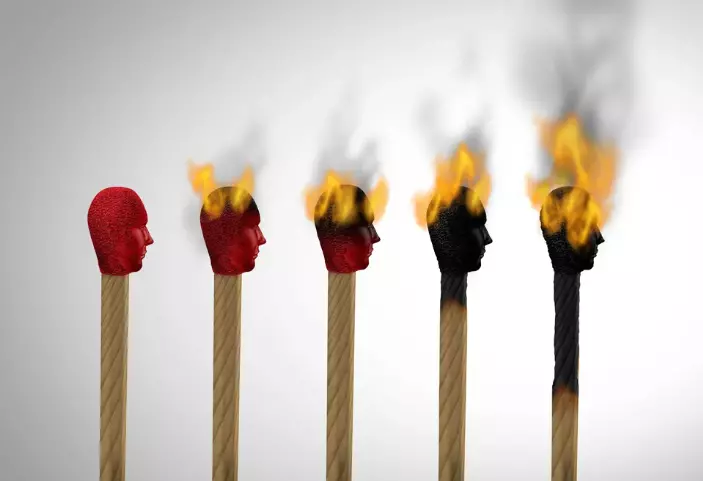
Early burnout signs are becoming harder to ignore as work quietly expands into every hour of the day. Many employees now check emails before getting out of bed and continue responding late into the night, blurring the boundary between personal time and professional obligations. This pattern, often called the “infinite workday,” reflects a deeper shift in how modern work operates. Instead of a defined schedule, work now stretches across time zones, devices, and expectations of constant availability. As a result, what used to be a demanding week has evolved into an always-on lifestyle. During National Stress Awareness Month, experts are raising concerns that this shift is accelerating burnout faster than most people realize.
The erosion of work-life balance isn’t caused by a single factor but a combination of forces reshaping the workplace. Global collaboration means someone is always online, while digital tools make it easy—and often expected—to respond instantly. Meetings have also multiplied, leaving workers to complete real tasks after hours, extending their day even further. This creates a cycle where productivity spills into evenings and weekends without clear boundaries. Over time, the pressure to stay connected leads to mental fatigue that doesn’t fully reset. What feels like dedication can slowly turn into exhaustion. And for many, the warning signs begin long before they recognize what’s happening.
One of the biggest dangers of burnout is how quietly it develops. Early burnout signs often appear months before full exhaustion sets in, but they’re easy to dismiss as temporary stress. Chronic fatigue that doesn’t improve with sleep is often the first red flag, signaling deeper emotional exhaustion. Workers may also begin to feel detached or cynical about their roles, creating emotional distance from colleagues and responsibilities. Tasks that once felt simple can suddenly seem overwhelming, making even small decisions draining. Increased irritability and emotional reactions can follow, fueled by ongoing stress. These subtle shifts are often the body’s way of signaling that something is off.
Another overlooked signal is the gradual loss of motivation or pride in one’s work. People who once felt driven may begin to question whether their efforts matter at all. This decline in engagement often shows up as reduced confidence, lower productivity, and a sense of meaninglessness. Physical symptoms can also emerge, including headaches, muscle tension, or digestive issues without a clear medical cause. At the same time, social withdrawal becomes more common, with workers avoiding meetings or limiting interaction with colleagues. These changes may seem minor individually, but together they point to a deeper problem. Recognizing them early can make the difference between recovery and full burnout.
Burnout doesn’t happen overnight—it typically unfolds in three stages that build on each other over time. The first stage is exhaustion, where mental and physical energy begin to decline. This is followed by cynicism, where individuals detach emotionally and develop negative attitudes toward work. The final stage is reduced effectiveness, marked by declining performance and a loss of confidence. Each stage reinforces the next, making it harder to break the cycle without intervention. Because the progression is gradual, many people don’t notice it until they’re already deeply affected. That’s why early awareness is critical in preventing long-term damage.
Not all exhaustion is burnout, and understanding the difference can help you respond appropriately. Being tired is usually temporary and resolves with rest, such as a good night’s sleep or a weekend break. Stress, on the other hand, comes from pressure but often includes a sense of urgency and engagement. Burnout is different—it involves emotional exhaustion, detachment, and a loss of motivation that doesn’t improve with rest. While stress can sometimes boost performance in short bursts, burnout consistently reduces it over time. Misinterpreting these states can delay the right response. Knowing where you stand helps you take the right corrective steps.
Spotting burnout early often requires honest self-reflection. If you frequently feel emotionally drained even after resting, it may be more than just fatigue. Growing cynicism toward work or colleagues is another strong indicator, as is finding routine tasks unusually difficult. Social withdrawal, such as avoiding meetings or collaboration, can also signal deeper exhaustion. Finally, a sense that your work no longer matters or that you’re ineffective is a key warning sign. Answering “yes” to several of these signals suggests that burnout may already be developing. Catching it early gives you the chance to act before it worsens.
Preventing burnout starts with setting clear boundaries around when work begins and ends. Without defined limits, the workday can easily expand into every available moment. Shifting toward asynchronous communication can reduce unnecessary meetings and give you more control over your time. Prioritizing rest, breaks, and recovery is equally important in maintaining long-term performance. Small adjustments, like logging off at a consistent time, can have a significant impact over weeks and months. Ultimately, burnout isn’t just about workload—it’s about sustainability. And the earlier you respond to the warning signs, the easier it is to regain control.










Comment