Alerts

-
6 minutes, 47 seconds
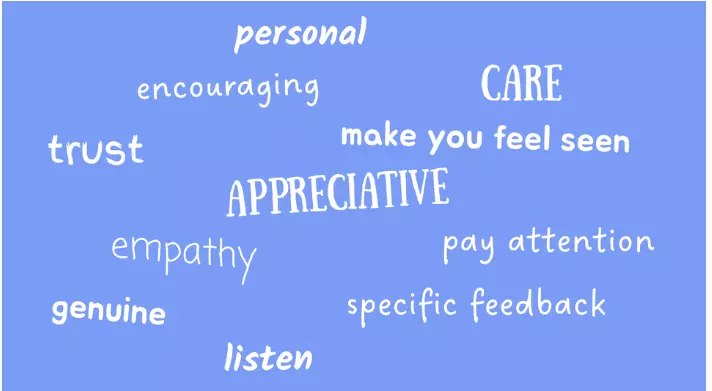
Why do some teams outperform others even under pressure? The answer increasingly points to one overlooked factor: mattering at work. Inspired by elite sports leadership, particularly in high-stakes environments like college basketball, leaders are shifting focus from pure results to human impact. Mattering means employees feel valued and know they add value—two powerful drivers of engagement. When people believe they truly count, their motivation, resilience, and performance naturally rise. This concept is quickly becoming a cornerstone of modern leadership. And in today’s burnout-prone workplaces, it may be the difference between thriving teams and disengaged ones.
At its core, mattering is about feeling seen, appreciated, and needed. It combines recognition (feeling valued) with contribution (adding value), creating a deeper sense of purpose. Employees who experience this are not just working for a paycheck—they feel connected to outcomes and to people. This emotional connection fuels stronger collaboration and accountability across teams. It also builds confidence, encouraging individuals to step into leadership roles and take initiative. Over time, this creates a culture where people don’t just show up—they invest themselves fully. That shift transforms everyday work into meaningful progress.
The benefits of mattering extend far beyond morale—they directly impact business outcomes. Employees who feel they matter report higher job satisfaction and lower levels of stress, burnout, and anxiety. They are also less likely to leave, reducing costly turnover for organizations. Stronger relationships with managers and colleagues naturally emerge, improving communication and trust. In addition, individuals develop greater self-belief and resilience when facing challenges. This combination of psychological safety and motivation creates a powerful performance engine. Simply put, when people feel valued, they perform better—consistently.
Research continues to confirm what strong leaders already sense: balancing people and performance delivers superior results. Organizations that invest in both human capital and financial outcomes consistently outperform competitors. These companies grow faster, retain talent longer, and generate higher long-term profits. By contrast, workplaces that focus only on results often experience disengagement and burnout. On the other hand, overly supportive environments without accountability can struggle to deliver outcomes. The real advantage lies in combining both—making people feel valued while holding high standards. That balance is where sustainable success lives.
Building a culture of mattering doesn’t require grand gestures—it thrives on consistent, intentional actions. First, notice effort, not just outcomes, so employees feel recognized throughout the process. Second, understand what motivates each individual and actively support it. Third, give specific, meaningful recognition rather than generic praise. Fourth, hold regular developmental conversations instead of limiting feedback to annual reviews. Finally, connect daily tasks to a larger purpose, helping people see how their work contributes to bigger goals. These small but powerful habits create a workplace where people feel seen and supported. Over time, they shape stronger, more committed teams.
What makes these practices so effective is their consistency. Small, repeated actions—sometimes called “tiny noticeable things”—signal to employees that they matter every day. In fast-paced environments, leaders often default to transactional behaviors focused on deadlines and metrics. But teams thrive when leaders stay relational, even under pressure. These everyday moments build trust, reinforce belonging, and strengthen engagement. They also create a culture where feedback flows naturally and performance improves continuously. The result is a team that feels both supported and accountable. That combination is rare—and powerful.
For leaders looking to improve team performance, one question stands out: do your people know they matter beyond what they produce? This simple reflection can reveal gaps in communication, recognition, and connection. Teams built on trust and genuine value outperform those driven by pressure alone. In a time when disengagement is rising globally, this question becomes even more critical. Leaders who prioritize mattering create environments where people want to stay and grow. They build loyalty that no compensation package alone can buy. And they unlock performance that feels sustainable—not forced.
As workplaces evolve, the ability to make people feel valued is becoming a defining leadership skill. Mattering is no longer a “soft” concept—it’s a strategic advantage. It fuels engagement, strengthens culture, and drives measurable results across organizations. Leaders who embrace it are better equipped to navigate uncertainty and retain top talent. More importantly, they create environments where people can do their best work without sacrificing well-being. In the end, performance isn’t just about what teams achieve—it’s about how people feel while achieving it. And that’s where true success begins










Comment