
Alerts
-
3 minutes, 22 seconds
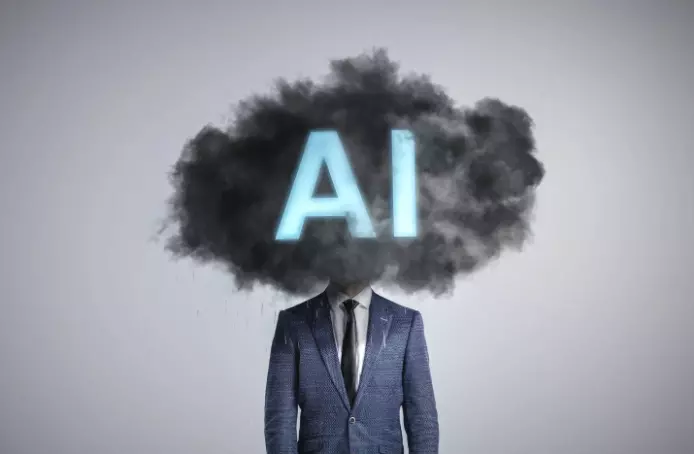
About 76% of millennial workers, currently ages 30 to 45, are actively questioning their career paths, according to Glassdoor data. Another 68% say they have delayed a major life milestone because of career uncertainty.
This is a generation that should be familiar with disruption. Many millennials came of age during the Great Recession and weathered mass layoffs during the global pandemic. But Chris Martin, Glassdoor's senior economist, explains that today's layoffs and AI disruption are even more disconcerting for millennials since they are happening at a pivotal point in their careers. As a result, he says many millennials are taking a proactive approach to building a broader, more diversified professional foundation, which Glassdoor refers to as "stability stacking."
"Millennials are at the point in their career now where they should be the most stable," Martin says. "They've reached management, an increasing number are approaching leadership positions where they're in the C-Suite or VP or above. They're reaching peak earnings as well. So there are all these things that are the hallmarks of a solid mid-career, but that's just not what millennials are feeling."
I spoke to Martin, as well as millennial executive coach Janel Abrahami, about how millennials, as well as professionals of any generation, can "stability stack" their career to build some level of security in today's market. Here is what they had to say.
Creating a new side hustle may seem like an obvious step to stability stacking, but Abrahami encourages professionals not to underestimate the impact of building opportune connections.
"Maybe neither of you are sure on how you'll work together in the beginning, but you kind of just know that you will," she says. "And when that opportunity arises, at least you have that person on speed dial should you need to tap into them."
In practice, this means staying in touch with former colleagues, managers, and peers even when you are not job hunting. A network gives you people to call when you need advice, a referral, or a lead on a role that has not been posted publicly yet.
With so much uncertainty around AI and how it will reshape certain roles, Martin says taking a skills-based approach to stability stacking could be a smart move.
"Think about a couple of different skill-based responses where you can gain proficiency in AI-based skills or skills that are more resilient to AI replacement," he suggests.
That includes human skills such as effective communication, storytelling, and adaptability. These are abilities that are harder to automate and that employers continue to hire for, even as AI tools take over more routine tasks.
As someone who has created multiple streams of income from creating content, Abrahami advises professionals not to be afraid to share their thoughts and knowledge about a subject they are well-versed in publicly.
She says that for a lot of her peers, "putting our thoughts and ideas and our POV out there is also opening a lot of doors that were closed to us through traditional job search methods in the past."
That could mean writing posts on LinkedIn, speaking on panels, starting a newsletter, or contributing to industry discussions. Over time, a visible point of view can attract opportunities that never appear on a job board.
In addition to stability stacking and protecting your career, Abrahami and Martin say it is also important for professionals to build their income sources and bank account in order to financially protect themselves in the event of a layoff.
This can include freelancing on the side, turning your expertise into a side consulting gig, or picking up a side hustle that you do alongside your day job. Then, save the extra income.
For millennials and workers of any age, the common thread is preparation. Strengthening your network, skills, public profile, and savings gives you more options if a role changes or disappears. None of these steps guarantees security, but together they can make a career more resilient.










Comment