Alerts

-
7 minutes, 3 seconds
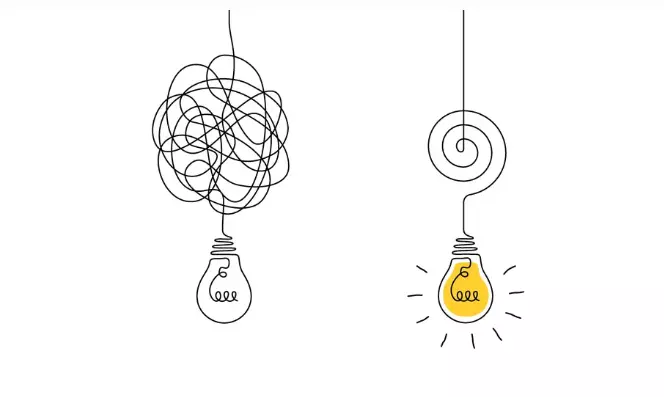
Highly effective people are challenging one of the biggest myths about success: that doing more leads to better results. In reality, research shows that productivity is less about volume and more about focus, clarity, and energy management. Many professionals feel overwhelmed because they try to maximize every opportunity, but this often leads to burnout and poor decision-making. Instead, top performers deliberately reduce their workload in strategic ways. By managing cognitive bandwidth and minimizing unnecessary effort, they create space for what truly matters. This shift from “more” to “better” is quickly becoming a defining trait of modern productivity. The result is not less output—but higher-quality, more impactful work.
At the core of this approach is a simple principle: your brain has limited mental energy. Every decision, distraction, or task consumes part of that energy, making it harder to focus on important work. When your cognitive load becomes too high, performance drops—even if you’re working harder. Highly effective people understand this limitation and design their routines to protect their mental resources. They reduce unnecessary inputs, simplify choices, and avoid constant decision-making. This allows them to concentrate deeply on fewer, more meaningful tasks. Over time, this strategy leads to better outcomes with less effort.
One of the most powerful ways highly effective people do less is by limiting their options. While having more choices may seem beneficial, it often leads to decision fatigue and hesitation. Studies show that when people face too many options, they are less likely to make a decision—and less satisfied when they do. This phenomenon, known as choice overload, can slow progress and increase stress. Highly effective individuals counter this by narrowing their focus and setting clear criteria for decisions. Instead of chasing the perfect option, they choose what works and move forward quickly. This reduces friction and keeps momentum high.
Multitasking is often seen as a valuable skill, but research suggests it actually reduces effectiveness. Constantly switching between tasks fragments attention and weakens the brain’s ability to concentrate. Highly effective people recognize this and prioritize single-tasking instead. They create environments that support deep focus, even if it means responding more slowly to distractions. Simple strategies like silencing notifications or working in dedicated time blocks can make a significant difference. By doing one thing at a time, they produce higher-quality work and make fewer mistakes. In the long run, this focused approach outperforms the illusion of multitasking efficiency.
Another way highly effective people do less is by pre-deciding their actions. Instead of repeatedly asking themselves what to do next, they create clear plans in advance. These plans often follow a simple “if–then” structure, linking specific situations to specific actions. For example, setting a rule to start work at a fixed time removes the need for daily negotiation. This technique reduces mental effort and increases consistency. When decisions are automated, it becomes easier to follow through on important habits. Over time, this approach builds momentum and reinforces productive behavior.
Pre-deciding actions also helps turn intentions into habits. Many people struggle to stay consistent because they rely on motivation, which can fluctuate. Highly effective individuals remove this uncertainty by creating structured routines. These routines act as triggers that guide behavior without requiring constant thought. Whether it’s a morning routine or a fixed work schedule, these systems simplify daily life. By reducing the number of decisions they need to make, they conserve energy for more complex challenges. This consistency is what allows them to maintain high performance over time.
Choosing to do less is not about being lazy—it requires discipline and self-awareness. Highly effective people must decide what not to do, which can be more difficult than deciding what to pursue. This often means ignoring distractions, delaying responses, or letting go of less important tasks. It also involves accepting that not every opportunity needs to be explored. By focusing only on what aligns with their priorities, they maximize their impact. This level of clarity helps them stay on track even in demanding environments. Ultimately, doing less becomes a strategic advantage rather than a limitation.
The idea that doing less leads to better results is gaining traction across industries. As work becomes more complex and fast-paced, the ability to focus deeply is becoming a rare and valuable skill. Highly effective people are leading this shift by prioritizing quality over quantity. They understand that success is not about how much you do, but how well you do it. By limiting choices, avoiding multitasking, and pre-deciding actions, they create systems that support sustained performance. This approach not only improves productivity but also reduces stress and burnout. In a world that demands more, the smartest strategy may be to deliberately do less.










Comment