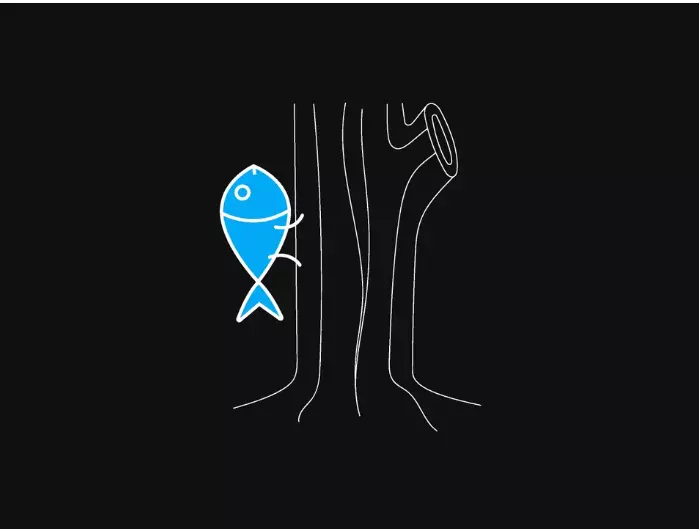
Changing leaders is a challenge every organization faces. The global leadership development industry spends over $350 billion each year trying to transform managers into better leaders. Yet most efforts fail. Why? Because we often try to teach fish to climb trees. This article explores three practical ways to change leaders, from personal growth to finding the right fit.
What Is Leadership Really?
Leadership isn't a job title. It's a psychological process. A leader helps a group of people work together toward a common goal. Without leadership, talented individuals compete instead of cooperate. Think of a Formula 1 car with its parts scattered on the floor. The parts are great, but they don't go anywhere. The leader assembles and directs the team. When the team wins, the leader wins. When the team crashes, the leader was steering.
Choosing Wisely (or Not)
The person you put in charge matters a lot. Research shows that intelligence, integrity, curiosity, emotional intelligence, humility, ambition, and resilience predict leadership effectiveness. But organizations often mistake confidence for competence and charisma for capability. They pick the wrong people, then spend fortunes trying to fix them.
Even good leaders can fail in the wrong context. A turnaround expert may struggle in a stable environment. A visionary entrepreneur may fail at running a bureaucracy. This is the context mismatch problem. The best wine in the wrong glass is still a problem.
Three Ways to Change Leaders
First Way: Change the Leader
This is the most common approach. Leaders can learn new skills, improve communication, and build emotional control. But motivation is key. As the old joke goes: how many therapists does it take to change a light bulb? Only one, but the light bulb has to want to change. Leaders who most need development often resist it. Narcissistic leaders spend sessions explaining why the coach is wrong. Hire for coachability first. A humble leader who accepts feedback drives better team performance. An uncoachable leader costs you twice: once for their salary, once for the damage.
Second Way: Change the Environment
If you can't change the leader, change their surroundings. This strengths-based approach works fast. Give the strategic visionary a COO who communicates well. Pair the creative innovator with an operational executor. Match an introvert with an extroverted deputy. This approach is often cheaper and faster than behavioral change. But it has a cost: stagnation. A leader who never develops new skills becomes less adaptable. Playing only to your strengths is like lifting the same weight forever. It feels efficient, but it leads to atrophy over time.
Third Way: Change the Leaders (Replace Them)
This is the most effective approach, but the least popular. Why teach a fish to climb a tree when you can find a squirrel? Core personality traits are stable after age twenty-five. People can change somewhat, but not completely. The smartest move is to pick the right person from the start. Use rigorous assessments, psychometric profiles, and behavioral history to find a leader who naturally fits the role. If the gap between who they are and what the role requires is too large, keep looking. Talent is personality in the right place. Don't waste time on a personality transplant.
Conclusion: The Honest Math
Changing leaders is possible, but overestimated. Most organizations apply development to the wrong people, at the wrong time, with wrong expectations. The three ways form a descending order of difficulty and ascending order of effectiveness. Changing the individual is hardest. Changing the environment is more reliable. Replacing the leader is most effective, but hardest to admit. Great organizations hire for coachability, design environments to compensate for weaknesses, and act when the gap is unbridgeable. Leadership is a psychological process. Changing it requires more psychology and less wishful thinking.














Comment