GrapheneOS Claims Google and Apple Are Blocking Alternative Phone Operating Systems
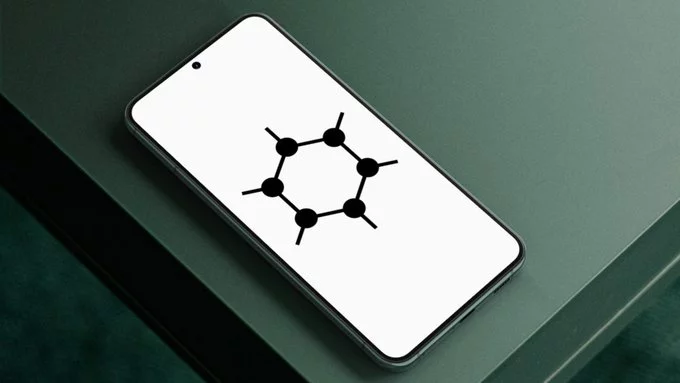
GrapheneOS, the privacy-focused operating system that removes Google services from Android, has publicly accused Google and Apple of using device verification to block alternative phone operating systems. The organization behind the de-Googled Android alternative calls these practices "enormously anti-competitive," arguing that security features are being used to lock users into the hardware and software approved exclusively by either company.
What Is GrapheneOS?
GrapheneOS is an open-source, privacy-focused operating system for smartphones. It is based on Android but strips out all Google services. It is designed for users who want more control over their data and device. Unlike mainstream Android phones, GrapheneOS does not rely on Google Play Services or Google's verification systems.
The Core Accusation: Device Verification as a Lock-In Tool
In a long thread posted on X (formerly Twitter) on Sunday, the GrapheneOS Foundation claimed that device verification methods—sold by Google and Apple as security features—are actually used to eliminate competition. According to the organization, these verification methods prevent users from easily installing alternative operating systems like GrapheneOS on popular devices.
How Device Verification Works
Device verification is a process where a phone checks with the manufacturer's servers to confirm that the hardware and software are approved. For example:
- Google Play Integrity API checks if a device is running an approved version of Android with Google services.
- Apple's Secure Enclave verifies that the device is running Apple's own iOS or iPadOS.
When a user tries to install an alternative OS like GrapheneOS, these verification checks often fail. This can block apps from running, prevent secure payments, or even stop the phone from booting properly.
Why GrapheneOS Says This Is Anti-Competitive
GrapheneOS argues that these verification methods are not truly about security. Instead, they are designed to keep users locked into the ecosystems of Google and Apple. The organization points out that:
- Users cannot easily switch to a privacy-focused OS like GrapheneOS without losing access to core apps.
- Developers of alternative operating systems are forced to work around these barriers, which is time-consuming and expensive.
- Consumers have fewer choices in the smartphone market, which reduces innovation.
Real-World Examples
For instance, on a Google Pixel phone, you can technically unlock the bootloader and install GrapheneOS. However, after installation, apps like Google Pay, banking apps, and even some streaming services may refuse to work because the device fails Google's verification checks. This makes the phone less useful for everyday tasks.
What Google and Apple Say
Both Google and Apple have defended their verification systems as essential for user security. Google states that Play Integrity protects users from malware and fraud. Apple claims that its Secure Enclave prevents unauthorized tampering with the device. However, critics argue that these security measures are more about business control than user safety.
The Bigger Picture: Competition in the Smartphone Market
The smartphone market is currently dominated by two major players: Google (with Android) and Apple (with iOS). Together, they control over 99% of the global smartphone operating system market. Alternative operating systems like GrapheneOS, /e/OS, and LineageOS have very small market shares. The GrapheneOS Foundation believes that device verification is one of the main barriers preventing these alternatives from growing.
What This Means for Users
If you are a user who values privacy and wants to use an alternative operating system, these verification barriers can be frustrating. Here are a few tips:
- Check device compatibility before buying a phone. Some devices (like Google Pixels) are easier to unlock than others.
- Understand the trade-offs: Using an alternative OS may mean losing access to certain apps or features.
- Support open-source projects: Donations and community support help developers overcome these barriers.
What Could Happen Next?
The GrapheneOS Foundation is calling for regulatory action. They want governments to investigate whether device verification practices violate antitrust laws. Similar concerns have been raised in the European Union, where regulators are already looking into Apple's and Google's control over their ecosystems. If successful, this could lead to new rules that make it easier for alternative operating systems to compete.
The debate over device verification is not just about security—it is about choice. GrapheneOS has made a strong case that Google and Apple are using these features to lock users into their platforms. Whether regulators will step in remains to be seen, but for now, users who want more freedom in their smartphone experience face significant hurdles.












Comment