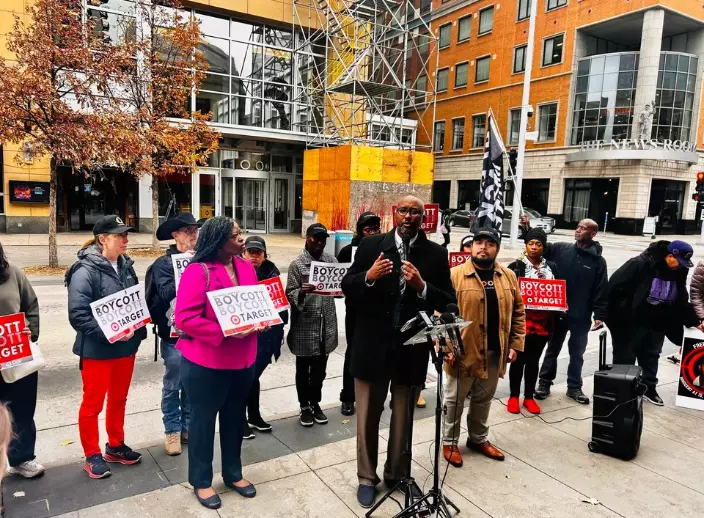
The Target boycott controversy is raising urgent questions about who actually started the movement and why it matters. While headlines recently focused on Pastor Jamal Bryant ending a 40-day “fast,” many are now asking a deeper question: who initiated the boycott in the first place? The answer points back to grassroots organizers in Minnesota, not national figures. The debate has reignited conversations about corporate accountability, diversity commitments, and the erasure of local activists. At the center of it all is Target’s decision to roll back diversity, equity, and inclusion (DEI) goals. For many consumers, this wasn’t just a policy shift—it felt personal. And that emotional response continues to shape the boycott’s momentum.
The controversy began after Target announced it would end key DEI commitments it had previously promoted. Following the murder of George Floyd, the company had pledged billions toward improving Black representation, supporting Black-owned brands, and enhancing diversity practices. These promises positioned Target as a leader in corporate social responsibility. However, the January 2025 announcement signaled a retreat from those goals, leaving many customers disappointed. For communities that had supported the brand based on its public stance, the reversal felt like a betrayal. The backlash was swift, with calls for accountability gaining traction across social and grassroots networks. What followed was not just a boycott—but a broader movement questioning corporate integrity.
Despite widespread assumptions, the boycott did not originate with Jamal Bryant. Instead, it was launched by three Minnesota-based activists: Nekima Levy Armstrong, Monique Cullars-Doty, and Jaylani Hussein. These organizers called for action in January 2025, weeks before Bryant’s involvement. Their efforts were rooted in local organizing and direct community engagement. Yet as national attention grew, their leadership became less visible in mainstream coverage. This shift in narrative has sparked frustration among those who believe grassroots voices are being overshadowed. It also highlights a recurring issue in social movements—recognition often drifts toward the most visible figures, not the original architects.
Bryant later introduced a 40-day “fast” tied to the boycott, framing it as a spiritual act of protest. While his initiative drew additional attention to the issue, it also blurred the lines of leadership. When he announced the end of the fast, many interpreted it as signaling the end of the boycott itself. This misunderstanding triggered backlash, especially from those aware of the movement’s origins. Critics argued that Bryant’s announcement overstepped, given he did not start the boycott. In response, he clarified that the fast was separate from the broader movement and later issued an apology. Still, the incident exposed how easily narratives can shift when prominent voices enter grassroots spaces. It also raised concerns about accountability and representation.
The Target boycott controversy reflects a larger, long-standing issue: the erasure of Black women in movements they help build. Two of the three original organizers are Black women, yet their contributions have often been overlooked in media narratives. This pattern mirrors what happened with the #MeToo movement, where Tarana Burke created the movement years before it gained mainstream attention through Alyssa Milano. Such examples reveal how recognition can shift away from originators to more visible amplifiers. For many advocates, this isn’t just about credit—it’s about preserving truth and honoring lived experience. The current debate has reignited calls to center grassroots voices, especially those closest to the issues being addressed.
Leaders and legal experts are urging a return to the core issue: corporate accountability. Civil rights attorney Jill Collen Jefferson emphasized that larger figures often overshadow grassroots organizers, sometimes benefiting from work they did not initiate. This dynamic, she argues, undermines trust within communities. Meanwhile, Nekima Levy Armstrong expressed frustration at being excluded from key announcements, despite her role in launching the boycott. She also pointed to tangible impacts, including declining foot traffic and financial consequences for Target’s leadership. These developments suggest the boycott is having measurable effects. But beyond numbers, the deeper concern is whether companies can be held accountable for promises they fail to keep. For many, that question remains unanswered.
Even after Bryant ended his fast, many consumers say the boycott is far from over. The reason is simple: the original concerns have not been addressed. Without evidence that DEI commitments have been reinstated, trust remains broken. For loyal customers who once viewed Target as a values-driven brand, the shift feels irreversible. Some have stated they do not plan to return at all. This ongoing resistance highlights the power of consumer activism in shaping corporate behavior. It also ցույց that symbolic gestures are no longer enough—communities are demanding sustained action. As the controversy continues, the boycott stands as a reminder that trust, once lost, is difficult to rebuild.
Ultimately, the Target boycott controversy is about more than one company or one announcement. It’s about who gets recognized, who gets heard, and who gets left out. The situation underscores the importance of honoring grassroots leadership and maintaining transparency in social movements. It also challenges corporations to align their actions with their public commitments. As conversations around DEI continue to evolve, this moment serves as a case study in both progress and setbacks. For observers and participants alike, the lesson is clear: movements are shaped not just by visibility, but by authenticity. And in the long run, that authenticity determines their impact.
Access our platform effortlessly on-the-go through our user-friendly mobile apps.








Comment