Health insurance job lock is becoming a growing concern in the United States as healthcare costs continue to rise. Many employees stay in positions they would otherwise leave simply to keep their medical benefits. A 2021 study from Gallup and West Health found that one in six working adults with employer-sponsored insurance remain in their jobs primarily to avoid losing coverage. The pressure is even greater for workers earning under $48,000 annually and for many Black employees who report higher levels of concern about losing healthcare benefits. As medical costs rise in 2026, the stakes are even higher for families relying on employer-based insurance. The result is a workforce that often feels economically trapped.
Rising Healthcare Costs Are Hurting Small Businesses
Entrepreneurship is often promoted as a pathway to economic mobility, but healthcare costs make that path difficult. For many entrepreneurs, paying for private insurance premiums becomes one of the biggest financial burdens of running a business. According to a 2026 report from the Employee Benefit Research Institute, fewer small employers now offer health insurance compared to previous years. Analysts warn that when premiums grow faster than wages and inflation, smaller companies face intense financial strain. Businesses with fewer than 100 employees are particularly vulnerable to dropping coverage entirely. This trend leaves millions of workers and entrepreneurs searching for alternatives.
Decentralized Healthcare Is Emerging as an Alternative
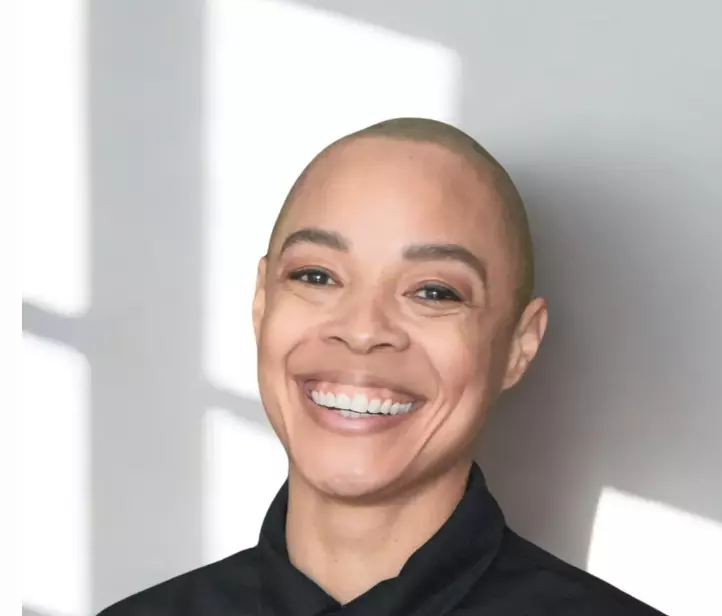
In response to these challenges, Dr. Tiffany Jana—who now goes by Dr. Radiance—has launched a decentralized healthcare approach aimed at expanding access to care. The model offers healthcare options not tied to traditional 9-to-5 employment or limitations of the Affordable Care Act marketplace. Instead, it combines flexible healthcare services, digital tools, and customizable plans. The approach challenges the long-held belief that traditional employer-based insurance is the only reliable option. Supporters say the goal is to give individuals more control over their health coverage. As workplace structures evolve, this alternative model is attracting attention.
Direct Primary Care Could Change How Americans Access Care
One key component of decentralized healthcare is Direct Primary Care, commonly known as DPC. Under this model, patients pay a monthly membership fee directly to a primary care clinic rather than relying on traditional insurance billing. The membership typically covers routine checkups, preventive care, and many common medical visits. Advocates say the system removes complex insurance paperwork and often lowers costs for everyday healthcare needs. While it does not replace all types of insurance, it can complement catastrophic coverage or other health plans. For many patients, it provides simpler access to physicians and more predictable costs.
Healthcare Navigation and Digital Support Are Key Features
Another defining feature of this decentralized system is healthcare navigation. Through a mobile platform, members can connect with medical professionals who help them understand treatment options, medical rights, and healthcare costs. These professionals can even guide patients during visits to hospitals or specialists. Plans available through platforms such as Manifest Equity include virtual clinics, dental care, vision coverage, catastrophic insurance, and traditional major medical plans. Many of the plans also accept members regardless of pre-existing conditions. Supporters say this flexibility allows individuals to build coverage based on their needs and budget.
Entrepreneurs Say Traditional Insurance Is Hard to Navigate
For entrepreneurs, healthcare coverage has long been complicated and expensive. Dr. Candace Parrish, a professor and entrepreneur, describes the process as difficult to manage while running a business. She previously enrolled in coverage through Healthcare.gov but found enrollment periods confusing and premiums high. Income fluctuations common among entrepreneurs can make traditional premium calculations unpredictable. Many plans base costs on earnings from the previous year or quarter, which does not reflect real-time income changes. As a result, some entrepreneurs maintain part-time employment simply to retain employer-sponsored health insurance.
A New Option for Gig Workers and Independent Professionals
Decentralized healthcare models may be particularly useful for gig workers, freelancers, and independent contractors. These workers often lack consistent employer benefits and must navigate the insurance market alone. The new system allows organizations and associations to create membership portals where workers can choose healthcare plans individually. Businesses can contribute financially to these plans—or simply provide access without additional costs. Because coverage can stand alone or complement existing insurance, it offers flexibility for modern work arrangements. As the gig economy expands, alternative healthcare systems are gaining attention.
Why Healthcare Access Is Becoming a Workplace Equity Issue
Advocates say healthcare access is also a major workplace equity issue. For many years, employer-sponsored insurance has acted as both a benefit and a barrier, limiting worker mobility. Leaders pushing for reform argue that healthcare should not be used to keep employees tied to jobs. Instead, organizations should focus on creating healthy, supportive work environments that encourage employees to stay by choice. As discussions about workplace wellness and fairness grow, new healthcare models are entering the national conversation. For millions of workers feeling trapped by their benefits, the debate over healthcare’s future may only be beginning.














Comment