Black woman-owned businesses are quietly facing a wave of financial pressure that is forcing some beloved brands to pause, close, or restructure. In recent months, several high-profile companies led by Black women have struggled with debt, delayed shipments, or bankruptcy filings. These headlines raise a larger question many readers are asking: why are so many promising businesses hitting financial roadblocks at the same time? Industry experts say the issue isn’t a lack of demand or creativity. Instead, it reflects deeper structural barriers around funding, capital access, and business networks that many founders must navigate alone.
The warning signs became clear after several well-known companies faced sudden setbacks. Fashion label Hanifa recently announced it would pause production after months of controversy surrounding shipping delays following its 2025 Black Friday sale. Beauty brand Ami Colé also closed its doors after four years despite strong customer loyalty. Meanwhile, the founder of restaurant chain Slutty Vegan filed for Chapter 11 bankruptcy, with reports indicating more than $1 million owed to the Small Business Administration and additional state tax debts. Even spirits brand Uncle Nearest has faced scrutiny over alleged financial challenges. The common thread linking these stories is that each company is led by a Black woman entrepreneur.
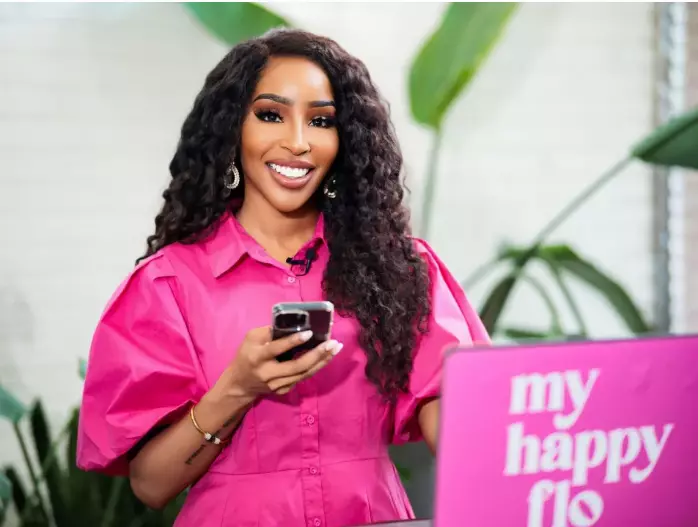
Entrepreneurs say the core issue often begins with the economics of building a product-based brand. Necole Kane, founder and CEO of My Happy Flo, explains that product businesses frequently operate in a constant negative cash flow cycle. Companies must purchase inventory months before sales revenue arrives, making growth financially risky without strong funding. Without outside investment, founders often rely on savings, loans, or credit cards to keep operations running. Over time, this creates a financial treadmill where businesses must continually borrow in order to scale. For founders without deep financial backing, the margin for error becomes extremely small.
Access to investment capital remains one of the most significant barriers facing Black women entrepreneurs. Industry data shows that Black women receive only about 0.34% of total venture capital funding. Without investor backing, many founders turn to credit cards or high-interest business loans that can carry rates exceeding 25% or even 30%. As debt accumulates, companies can quickly find themselves underwater even when sales are strong. What appears to be business growth on the surface may actually mask a fragile financial structure beneath it. For many founders, the challenge becomes staying ahead of mounting financial obligations.
Kane understands these obstacles firsthand after building multiple ventures. She first rose to prominence through NecoleBitchie.com, a highly influential celebrity news platform. She later launched xoNecole.com, a lifestyle and empowerment site for women of color that was eventually acquired by Will Packer Media in 2017. After losing both of her parents in her early forties, Kane shifted her focus to personal health and wellness. She founded My Happy Flo to address menstrual health issues such as fibroids, hormonal imbalances, and severe menstrual pain that disproportionately affect women. Her entrepreneurial journey highlights both the opportunity and the difficulty of building mission-driven brands.
Another challenge many founders face is operating as solo entrepreneurs without large teams or advisors. Kane notes that many Black women founders are forced to act simultaneously as CEO, CFO, and operations manager. The lack of access to strong investor networks or mentorship circles can make navigating business decisions far more difficult. Legal battles targeting funding programs designed for minority entrepreneurs have also created uncertainty around grant opportunities. Some investors and organizations have become hesitant to support targeted funding initiatives. As a result, many founders feel isolated while managing increasingly complex businesses.
The disparities extend beyond venture capital and into government contracting opportunities. Cierra Gross, founder of Worklution, highlighted a striking example from New York City procurement data. Black women-owned businesses reportedly received about $42 million in city contracts, while white women-owned businesses received $272 million. This occurred within a broader pool of roughly $17 billion in government contracts. According to Gross, loopholes in supplier diversity rules allow companies to bypass minority vendor requirements by claiming qualified suppliers could not be found. The result is a system that appears inclusive on paper but often fails in practice.
Despite these barriers, many entrepreneurs are adapting with new strategies to keep their businesses sustainable. Subscription-based revenue models and loyal repeat customers have become crucial lifelines. Kane says recurring purchases now account for the majority of revenue at My Happy Flo, demonstrating the power of strong community support. She also believes brands must solve very specific problems for underserved audiences in order to stand out. Still, customer expectations shaped by fast-shipping giants can create unrealistic pressure for small companies. Building patience and understanding among consumers may be just as important as improving financial access.
For Kane and many other founders, long-term survival ultimately depends on consistent support from customers and communities. During the surge of interest in Black-owned businesses in 2021 and 2022, many brands experienced record sales. But sustaining that momentum has proven difficult as public attention shifted. Entrepreneurs say the key is continued patronage rather than temporary waves of support when brands are struggling. Black woman-owned businesses remain powerful engines of innovation, culture, and community investment. Whether they thrive or disappear may depend on whether that support continues long after the headlines fade.





Comment