Black woman-owned businesses are facing mounting financial and structural challenges, raising concern among entrepreneurs and advocates. In recent months, several well-known brands founded by Black women have either paused operations, closed, or faced major financial strain. Experts say the issue is not a lack of talent or demand—but a persistent funding gap, limited access to networks, and high-cost debt that makes growth difficult. For many founders, the struggle reflects deeper systemic problems within the business and investment ecosystem. As these stories gain attention, they reveal a broader pattern impacting thousands of entrepreneurs across the country.
The pressure became visible after several prominent companies hit serious setbacks. Fashion label Hanifa recently announced it would pause production following controversy over delayed shipments after its 2025 Black Friday sale. Beauty brand Ami Colé shut down after four years in business, despite strong customer loyalty. Meanwhile, the restaurant chain Slutty Vegan reportedly filed for Chapter 11 bankruptcy with more than $1 million owed to the U.S. Small Business Administration and additional state tax liabilities. These developments highlight the fragile financial reality behind even the most recognizable Black-owned brands.
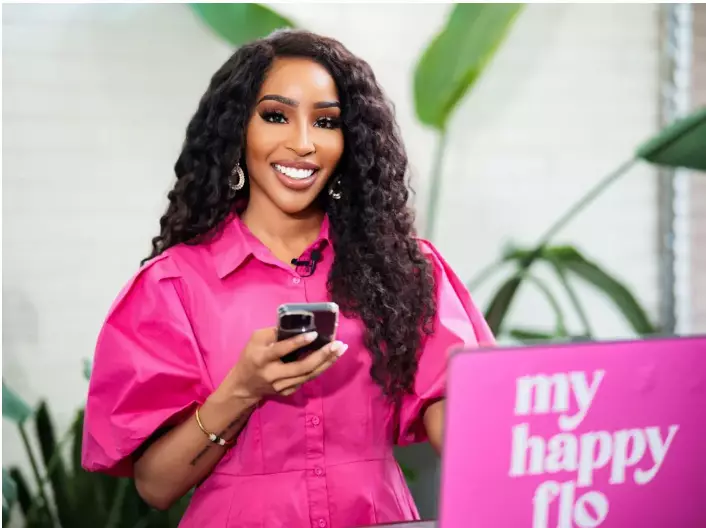
Entrepreneur Necole Kane, founder of the women’s hormone health company My Happy Flo, says the problem begins with how product businesses operate. Companies must invest heavily in inventory long before revenue arrives, creating a constant negative cash flow cycle. Without access to venture capital or major investors, many founders rely on personal savings, loans, or credit cards to fund growth. Over time, high-interest borrowing can quickly snowball into overwhelming debt. For many founders, this financial pressure starts long before the business becomes profitable.
The lack of venture capital funding makes the challenge even steeper. Studies show Black women receive only a tiny fraction of venture capital investment each year, forcing many to rely on expensive credit lines. Interest rates on business credit cards can exceed 25% or even 30%, turning everyday operating costs into long-term financial burdens. When entrepreneurs stack multiple loans and credit accounts to sustain growth, the debt can quickly outpace revenue. Even successful brands may find themselves struggling to stay afloat under those conditions.
Kane knows these pressures firsthand after building multiple successful ventures. She previously founded NecoleBitchie.com, a widely followed celebrity news platform, before launching xoNecole.com, which was later acquired by Will Packer Media. After losing both of her parents in her early forties, she shifted her focus toward health and wellness, launching My Happy Flo to address menstrual health challenges affecting many women. Her experience navigating both media and product startups has given her a unique perspective on the systemic barriers Black women founders face.
Access to financial networks remains another critical challenge. Many entrepreneurs operate as solo founders responsible for every role—from CEO to finance manager—without the guidance or mentorship often available to venture-backed startups. Even grant programs designed to support underrepresented founders have become more limited after legal and political disputes targeting race-focused investment initiatives. As a result, some organizations and investors have become more cautious about offering targeted funding programs. This has further narrowed opportunities for Black women seeking startup capital.
Entrepreneurs say the issue extends beyond private investment and into public procurement systems as well. Cierra Gross, founder of Worklution, pointed to data showing major disparities in government contracts. In New York City alone, Black women-owned businesses reportedly received $42 million in contracts, compared with $272 million awarded to white women-owned businesses. The gap persists despite the city distributing roughly $17 billion in total contracts. Loopholes in minority business requirements often allow companies to bypass diversity targets by claiming they cannot find qualified suppliers.
Despite these challenges, many founders continue to innovate and adapt. Subscription-based revenue models, loyal repeat customers, and niche products addressing underserved communities have helped some brands stay afloat. Kane says companies that solve specific problems for their audience tend to build stronger long-term loyalty. However, she believes broader support from consumers is also essential. Sustainable success for Black-owned businesses requires consistent patronage—not just short bursts of support during cultural moments or crises.













Comment