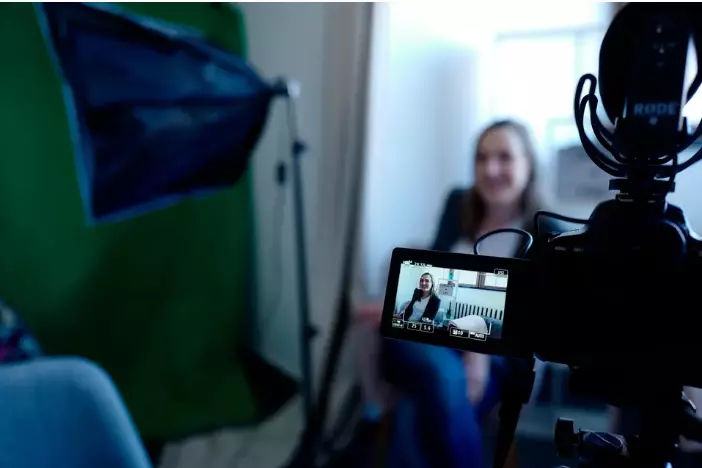
In today’s media world, leaders are expected to be camera-ready at any moment. Whether it’s a livestream, podcast interview, LinkedIn video, or breaking news request, the pressure is constant. So how do executives stand out in an “always on” environment? Media strategist Paula Rizzo says the answer is simple: think like a producer. The leaders who rise above the noise aren’t louder—they’re clearer, more prepared, and more intentional with every message.
The media landscape has changed dramatically over the past decade. Once, television studios controlled who appeared on camera and when. Now, anyone with a smartphone can go live instantly. During her nearly 20 years as a senior television producer at Fox News Channel, Rizzo saw firsthand how quickly opportunities were won—or lost. Experts with brilliant ideas often stumbled because they weren’t ready for the pace and precision modern media demands. That experience shaped her belief that every leader today must adopt a producer mindset.
Thinking like a producer means understanding that every appearance has a purpose. Producers shape segments around headlines, clarity, and audience value. Leaders should approach interviews and video content the same way. Instead of rambling through credentials, strong communicators deliver sharp, memorable insights.
The “always on” media world also means there is no rehearsal stage hidden behind closed doors. Virtual meetings, social clips, and remote interviews became standard during the pandemic—and they never went away. Leaders now need to articulate ideas clearly to a camera lens, not just a conference room. Preparation is no longer optional; it’s foundational.
One of the biggest myths in media is that experience equals readiness. Many executives assume that because they speak publicly, they can handle interviews without preparation. But media interviews are different. They demand brevity, energy, and clarity under time pressure.
Rizzo teaches clients to rehearse common questions, anticipate difficult ones, and refine answers before the spotlight turns on. She calls one technique the “accordion method”—preparing short, medium, and long versions of the same answer. That flexibility allows leaders to stay concise while adapting in real time. The result is confidence that feels natural, not scripted.
Another common fear holds experts back: the belief that sharing too much will hurt sales or authority. In reality, the opposite is true. Generosity builds trust, and trust drives engagement. Audiences remember leaders who provide value immediately, not those who tease and withhold.
Storytelling also plays a critical role. Viewers may forget a statistic, but they remember a relatable example. Clear, conversational language outperforms jargon every time. It’s not about simplifying intelligence—it’s about making expertise accessible.
Video continues to dominate algorithms and audience attention. From LinkedIn posts to livestream panels, visual presence is now a core leadership skill. The good news? Perfection isn’t required. Consistency and clarity matter more than studio-level polish.
Rizzo advises leaders to think beyond a single interview. A producer doesn’t create one piece of content and stop. They repurpose it into articles, clips, and social posts. Leaders who adopt this strategy amplify their reach without reinventing the wheel each time. It’s efficient, strategic, and aligned with how modern media actually works.
In a crowded digital landscape, attention is earned—not given. Leaders who think like producers understand timing, structure, and audience psychology. They listen carefully, speak succinctly, and prepare deliberately.
The “always on” media world isn’t slowing down. If anything, expectations for visibility and clarity are rising. Those who embrace the producer mindset won’t just survive the spotlight. They’ll shape the conversation—clearly, confidently, and on their own terms.





Comment