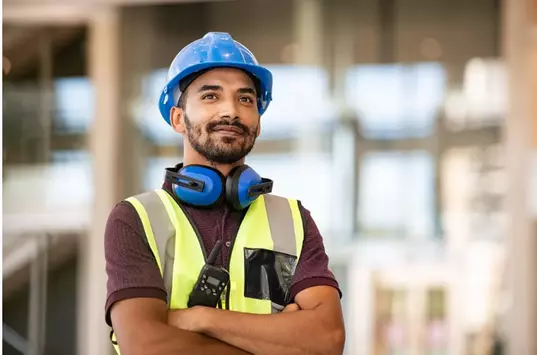
Skilled trades in an AI world are gaining fresh attention as automation reshapes white-collar work. With artificial intelligence streamlining or replacing many entry-level office roles, workers and students alike are asking a practical question: which careers are harder to automate? Increasingly, the answer points toward hands-on professions like HVAC, electrical work, and plumbing. New labor projections show steady growth across core trades, fueling a resurgence that few predicted a decade ago.
According to the U.S. Bureau of Labor Statistics, employment for HVAC technicians is projected to grow 8% from 2024 to 2034, electricians 9%, and plumbers 4%. That’s notable at a time when many digital roles face uncertainty. For John Barnes, CEO of Ancora Education, the appeal is straightforward: these jobs require physical presence. AI can analyze data, but it cannot replace a circuit breaker, repair an air compressor, or rewire a building. Infrastructure still depends on skilled human hands. In an economy hungry for stability, that matters.
The renewed interest isn’t limited to Gen Z. Mid-career professionals are also exploring trade pathways as a hedge against automation. Decades of stereotypes once pushed vocational careers to the margins. Now, practical skills are regaining prestige as essential services. The cultural narrative is shifting from “backup plan” to “first choice.”
Ironically, artificial intelligence is not absent from the skilled trades—it’s just not in charge. Instead of replacing workers, AI supports them. Digital platforms can help contractors source materials, price jobs, and generate invoices more efficiently. Analytics tools also assist with safety compliance and simulation modeling in complex commercial projects. The technology acts as an assistant rather than a substitute.
This partnership model contrasts sharply with some corporate office roles where automation replaces entire workflows. For tradespeople, AI enhances productivity without eliminating the human element. In practical terms, the future may look like a technician using AI-generated diagnostics before stepping onsite to complete the repair. That blend of tech and touch is increasingly attractive.
Growth projections alone don’t solve the labor shortage. Industry leaders warn that without new entrants, service delays and rising costs could strain communities. Fewer skilled workers mean longer waits for repairs and infrastructure vulnerabilities. The stakes go beyond individual careers—they affect public safety and economic resilience. Encouraging young people to consider trades is becoming a strategic priority.
The benefits are tangible. Skilled trades often offer flexible schedules, pathways to entrepreneurship, and practical knowledge that translates into personal savings. Workforce partners, local governments, and trade schools are working to create more visibility around these opportunities. Career awareness campaigns aim to replace outdated perceptions with data-driven optimism. Excitement, advocates say, is essential to replenishing the pipeline.
Career exploration begins with honest self-assessment. Do you enjoy hands-on problem-solving or building tangible results? Are you energized by practical challenges rather than abstract analysis? Those traits often align with construction, automotive, or electrical careers. Trade and technical schools provide structured training, blending technical instruction with soft skills like communication and customer service. Many institutions also offer resume guidance and employer connections to accelerate job placement.
It’s also important to weigh the physical demands. Years of manual labor can impact the body, though preventive care and safety practices mitigate risks. Advancement pathways into management, training, or inspection roles provide options for longevity. For those concerned about mid-career transitions, educators report students ranging from teenagers to adults in their 60s entering programs. The message is clear: it’s rarely too late to pivot.
Economic cycles may fluctuate, but homes still need wiring and buildings still require climate control. That underlying demand offers a measure of insulation from digital disruption. As companies automate more desk-based functions, the relative stability of trades becomes more visible. Workers looking for durable career paths are taking notice.
The broader takeaway is not that AI eliminates opportunity. It reshapes it. In a Smart Machine era defined by data and automation, skilled trades represent a complementary frontier—one where technology empowers rather than replaces. For many, that balance between innovation and hands-on expertise is exactly the future they’re searching for.


Array