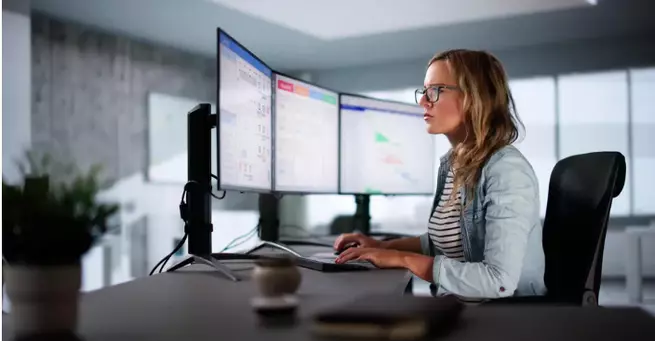
Screen time at work is approaching 100 hours a week for many employees, and the health consequences are starting to show. A new workplace survey reveals that both desk and non-desk workers report record levels of digital exposure, along with rising complaints of eye strain and fatigue. If you’re wondering whether your job is quietly affecting your vision, posture, or mental health, the short answer is yes—it might be. The good news? There are practical steps you can take right now to reduce the damage.
According to the third annual Workplace Vision Health Report from VSP Vision Care and Workplace Intelligence, desk workers now average 99.2 hours of screen time each week, up from 97 hours last year. Even employees in non-desk roles report nearly 88 hours weekly. The majority say they experience visual discomfort, including tired eyes, blurred vision, and difficulty focusing after long stretches online. One in four employees also report taking time off due to screen-related discomfort, losing an average of 4.5 workdays annually. That productivity loss alone should make employers pay attention.
But eye strain is only part of the picture. Extended screen exposure often overlaps with prolonged sitting, repetitive stress injuries, skipped breaks, and unused vacation time. The “always-on” culture blurs work and personal boundaries, making it harder to disconnect. Over time, small habits compound into larger health risks.
The first step in managing screen time at work is awareness. Many professionals underestimate how long they sit or stare at devices. Keeping a simple daily health log can surface patterns you might otherwise ignore. Track your energy levels, note any aches or stiffness, and reflect briefly on your mental state. Over weeks, trends become clearer—whether it’s poor sleep, mounting stress, or persistent neck pain.
Scheduling annual wellness check-ups is another protective move. Book physical exams, dental visits, and eye appointments in advance so they don’t get pushed aside during busy seasons. Treat paid time off the same way. Planning breaks ahead of time gives you something to anticipate and ensures recovery isn’t optional. Preventive care works best when it’s proactive, not reactive.
Individual habits matter, but workplace systems matter more. If your screen time at work feels excessive, consider what structural changes would help most. That might mean flexible scheduling, enhanced vision benefits, or training sessions on ergonomics and eye care. Instead of presenting a long wish list, focus on your top priorities and frame them clearly. Employers are more receptive when proposals are specific and practical.
Start small within your team. Suggest walking meetings when possible or designate occasional no-meeting blocks to reduce digital overload. Swap some video calls for audio-only discussions to ease visual strain. Even setting shared reminders for short stretch breaks can improve morale and productivity. When advocating upward, highlight the business case—lost workdays tied to screen fatigue translate directly into measurable costs.
Until workplaces fully adapt, protecting your health also means rethinking off-hours habits. Choose analog hobbies that reduce digital exposure. Reading physical books, assembling puzzles, painting, or learning a dance style can rest your eyes while stimulating your mind. These activities also create natural conversation starters in professional settings. A balanced identity outside work supports long-term resilience.
Incorporate movement into leisure time whenever possible. Meet friends for a park walk instead of a streaming night. Add extra steps during errands or stand while scrolling social feeds to counter prolonged sitting. Consider committing to a community 5K or volunteering outdoors to anchor your calendar with physical activity. Scheduling meaningful experiences reduces the temptation to default to more screen time.
Ultimately, rising screen time at work isn’t just a personal discipline problem—it’s a design issue. Organizations built around constant connectivity risk draining the very talent they aim to retain. When nearly 100 hours a week are spent in front of devices, health consequences become inevitable. Companies that treat vision care, ergonomic support, and recovery time as strategic investments will likely see stronger engagement and lower absenteeism.
For employees, the takeaway is clear: monitor your habits, advocate for better systems, and protect your downtime intentionally. Digital tools power modern careers, but unmanaged exposure carries real costs. The goal isn’t to abandon screens—it’s to use them without sacrificing your well-being.


Array