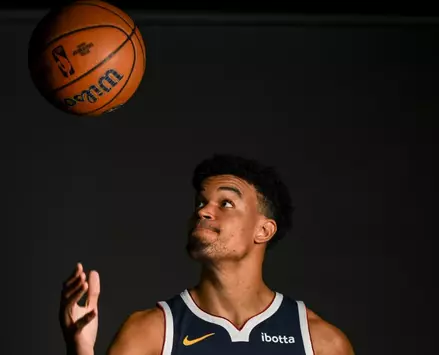
When the Denver Nuggets converted Spencer Jones’ two-way deal into a standard NBA contract, many fans asked the same question: Who is Spencer Jones, and why does he matter? The 24-year-old small forward went undrafted out of Stanford, split time between Denver and the G League, and shot over 41% from three before earning a full roster spot. But the real story isn’t just his stat line. It’s the leadership blueprint behind it. Spencer Jones leadership lessons stretch far beyond basketball—and executives are taking note.
From Two-Way Contract to Denver Nuggets Mainstay
Jones’ journey with the Denver Nuggets wasn’t linear. Last season, he toggled between Denver and its G League affiliate, often within the same week. In Grand Rapids, he logged starter minutes and offensive freedom. Back in Denver, he sometimes had only a few possessions to prove himself. That kind of volatility can destabilize even seasoned professionals. Instead, it sharpened his mental discipline and reinforced the habits that ultimately earned him a playoff-eligible roster spot.
His rise wasn’t accidental. Coaches valued his shooting efficiency and positional discipline. Teammates noticed his composure. And front-office leaders saw a player who understood role clarity—an underrated trait in high-stakes environments. Spencer Jones leadership lessons begin with mastering transitions, not chasing spotlight moments.
Meditation as a Leadership Reset Tool
One of Jones’ most powerful practices is structured meditation. After practices, he commits to 10–15 minutes of intentional mental reset, often using Headspace to track consistency. This isn’t about relaxation—it’s about compartmentalization. He mentally clears mistakes from scrimmages before stepping into investor calls tied to his growing startup portfolio.
For leaders juggling multiple responsibilities, this approach is instructive. Emotional residue from one meeting can quietly sabotage the next. Jones treats transitions as a skill, not an afterthought. That mindset mirrors high-performing executives who build deliberate buffers between workstreams. His meditation habit isn’t spiritual branding—it’s operational discipline.
Diversifying Inputs Beyond the Locker Room
Another key Spencer Jones leadership lesson is intellectual diversification. While many athletes remain embedded solely in basketball culture, Jones intentionally broadened his circle during his time at Stanford University. He chose random roommates instead of living exclusively with teammates. He invested in startups spanning health tech, neurotech, and AI. And he actively weighed advice from outside the sports ecosystem.
This diversity sharpened his decision-making. Exposure to different industries expanded his risk tolerance and strategic thinking. Leaders in corporate settings face a similar trap: echo chambers formed by industry peers. Jones’ approach highlights a simple truth—better inputs create better outcomes. Perspective is a competitive advantage.
Selective Focus and the Nikola Jokić Effect
Jones’ understanding of focus deepened by observing teammate Nikola Jokić. The three-time MVP is often perceived as detached, yet Jones sees something else: radical prioritization. Jokić dedicates energy only to elements that directly impact winning. Everything else receives minimal attention.
Jones adopted a similar framework. With an engineering background, he studies shot charts and efficiency zones with precision. He knows where 90% of his attempts originate and why. That clarity helped him earn trust within Denver’s rotation. At the same time, he’s aware of over-analysis risks—when numbers override instinct. The balance between data and feel is a leadership challenge in any field. Mastery lies in knowing when to zoom in—and when to let go.
Hedging Identity to Sustain Performance
Perhaps the most sophisticated Spencer Jones leadership lesson is psychological. He refuses to tie his entire identity to basketball. Raised in a family that prioritized education, he viewed academics and athletics as complementary, not competing tracks. Even as NBA aspirations intensified, long-term intellectual growth remained part of his blueprint.
This diversified identity reduces pressure. Two-way contracts are notoriously unstable. Players can be cut at any time. When self-worth hinges on one role, every setback feels existential. Jones structured his mindset differently. He wants success—but he doesn’t need it to define him. That distinction creates emotional resilience leaders in volatile industries desperately need.
The Bigger Picture: Leadership Beyond the Court
Jones’ story arrives at a moment when careers across industries are increasingly nonlinear. The average tenure of an NBA player mirrors the short shelf life of many executive roles. Adaptability, mental structure, and diversified identity matter more than ever. Spencer Jones leadership lessons reflect a new archetype: the athlete as operator, strategist, and long-term thinker.
The Nuggets invested in his shooting. They may have secured something deeper—an emerging leader with internal architecture most professionals spend decades building. In an era obsessed with highlight reels, Jones offers a quieter model of success. And that might be the most valuable edge of all.














Comment